How does a playgroup differ from a daycare?
Children generally attend from about two and a half until they start kindergarten, for half-days, with no lunch or nap. The group is stable and close in age. Most of the time is free play around a few clearly defined areas. Requirements for opening vary by canton and commune: ask the responsible authority.
Which areas should you equip first?
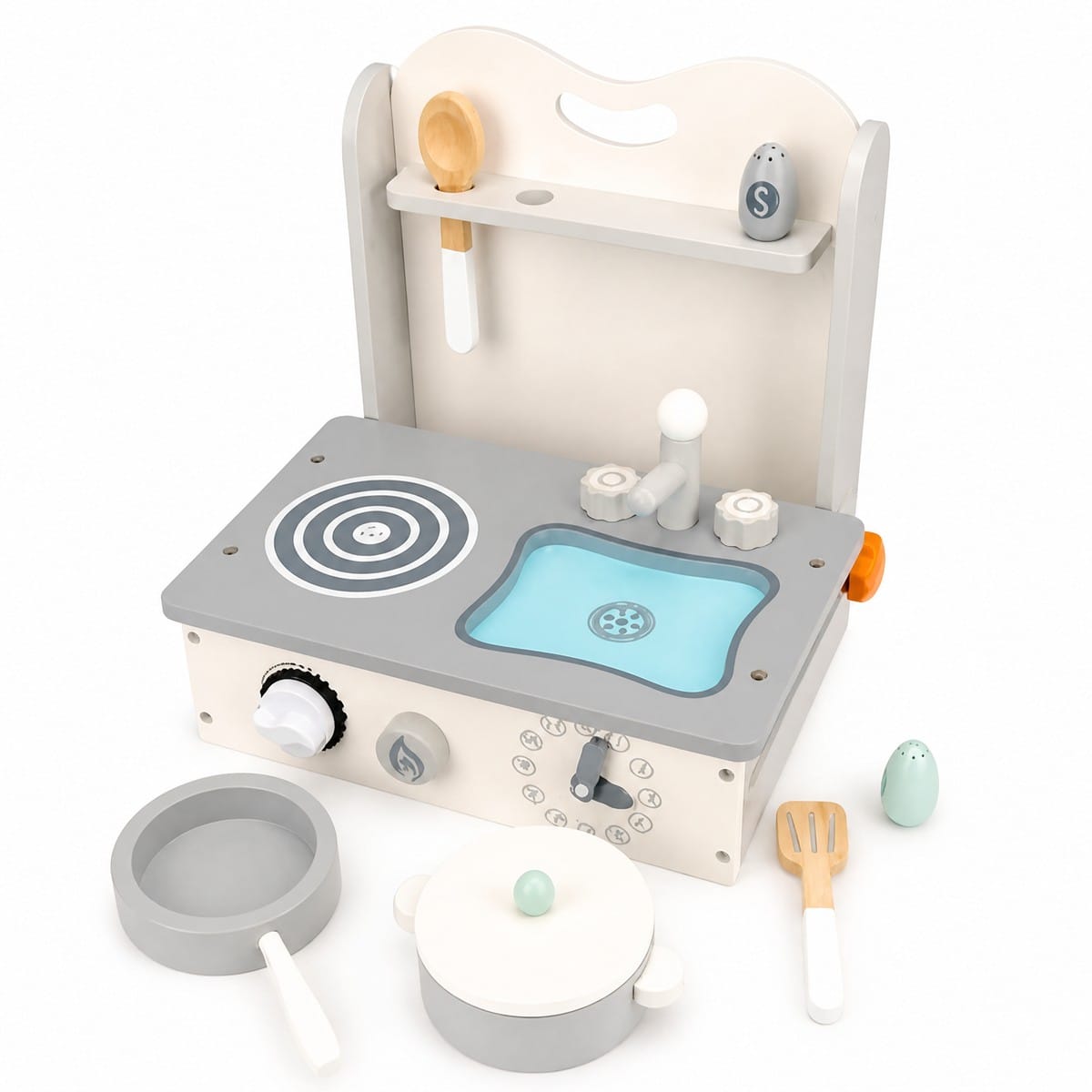
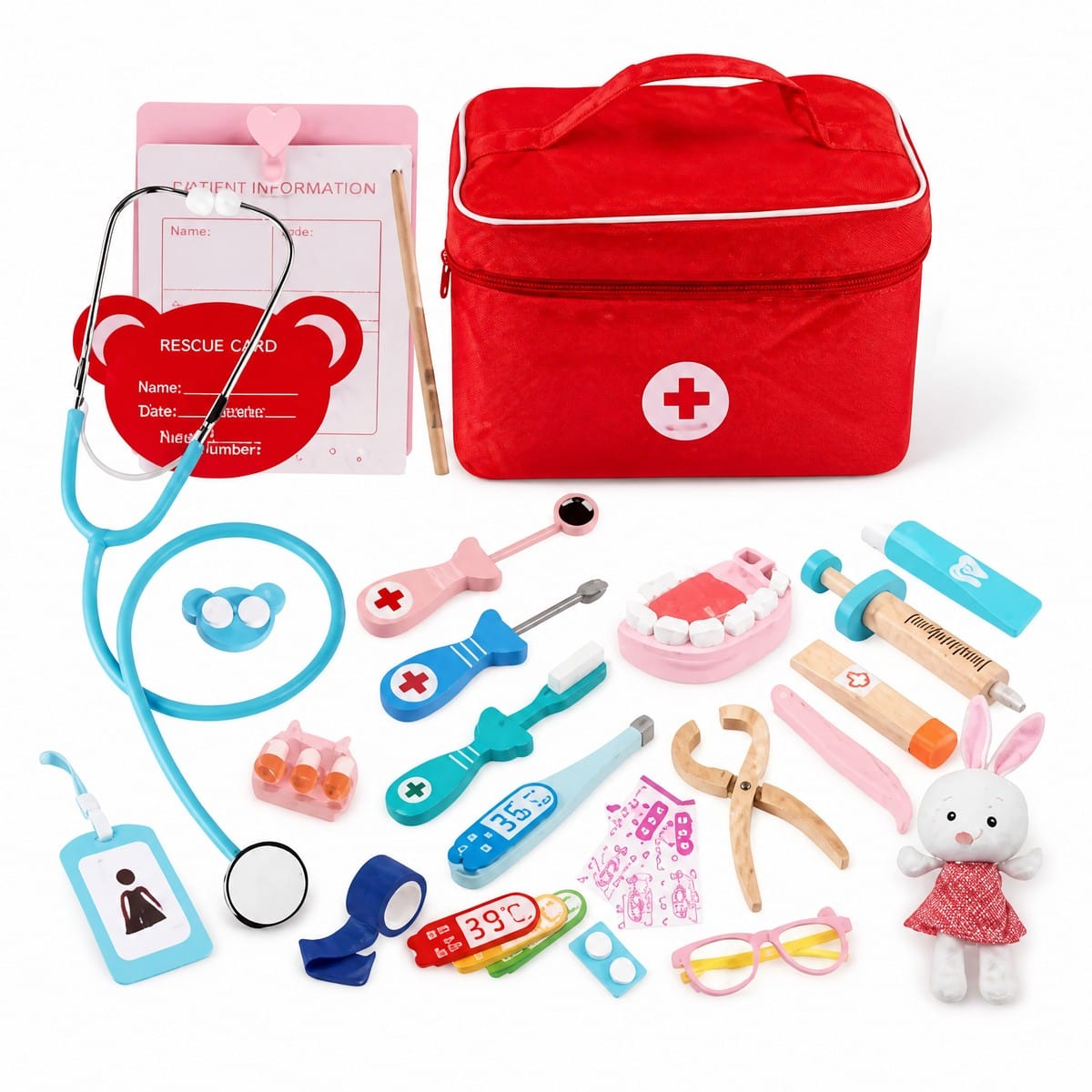
- Pretend play: a tabletop cooker, crockery, a doctor’s kit.
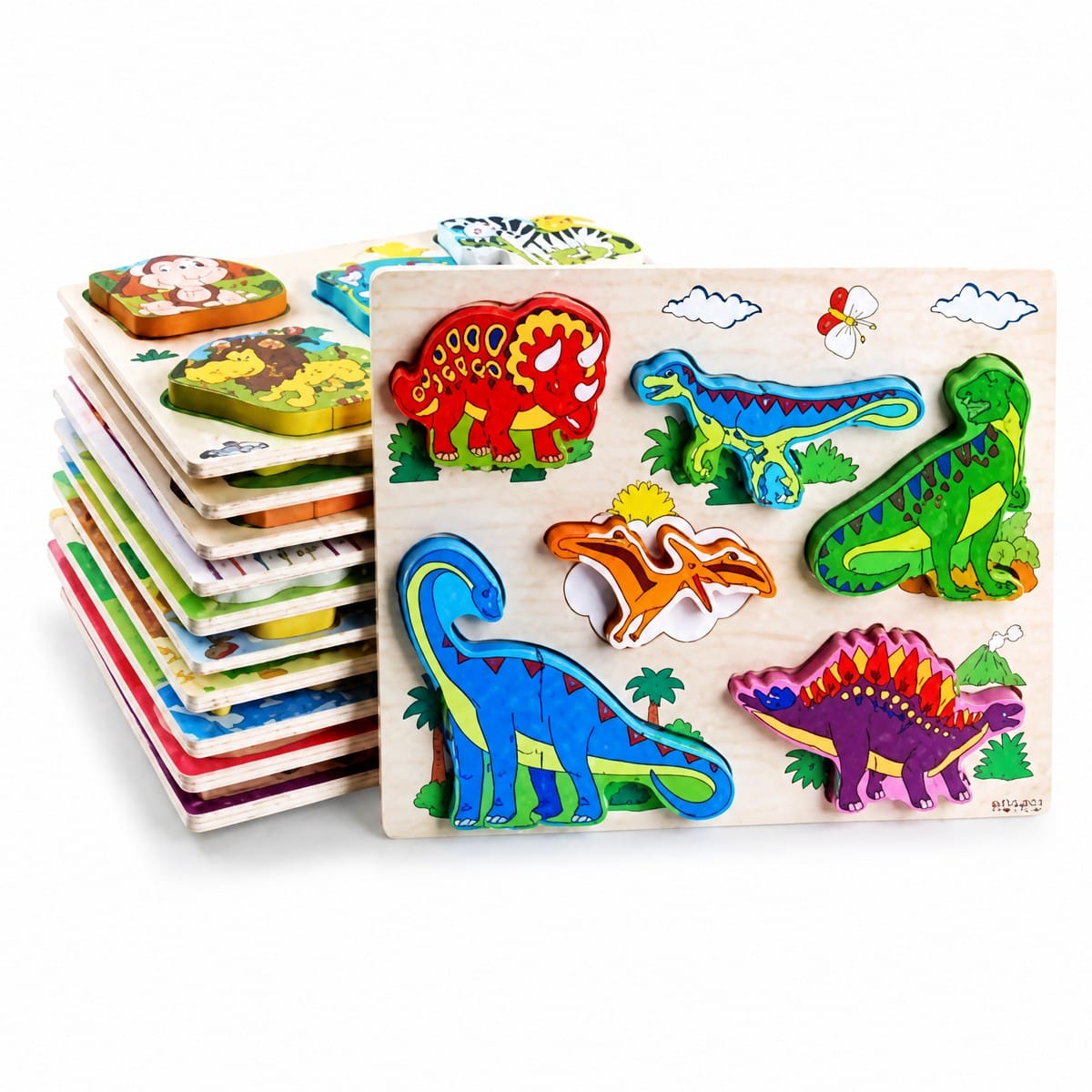
- Puzzles: insets and frame puzzles at different levels.
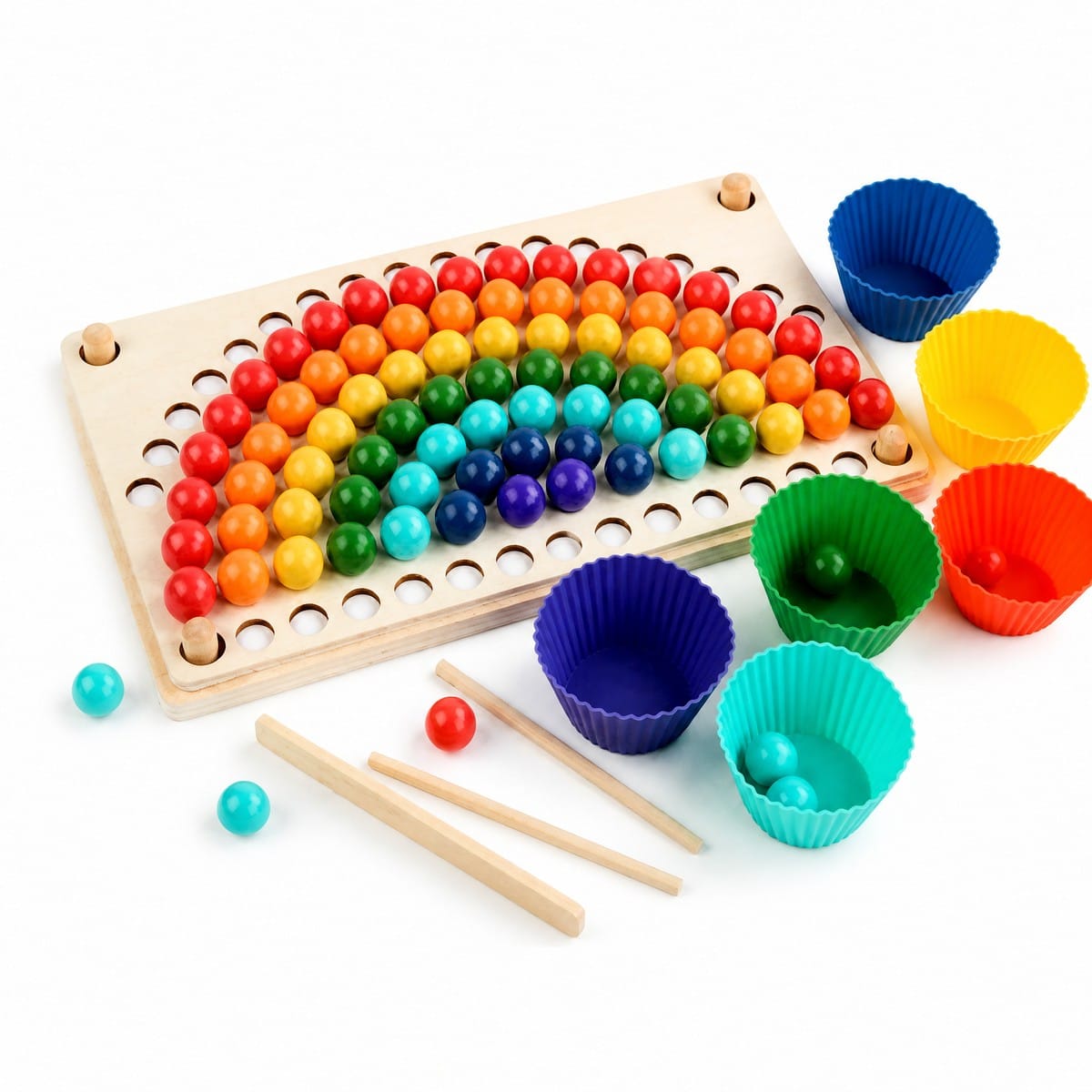
- Fine motor skills: sorting beads, threading, screwing.
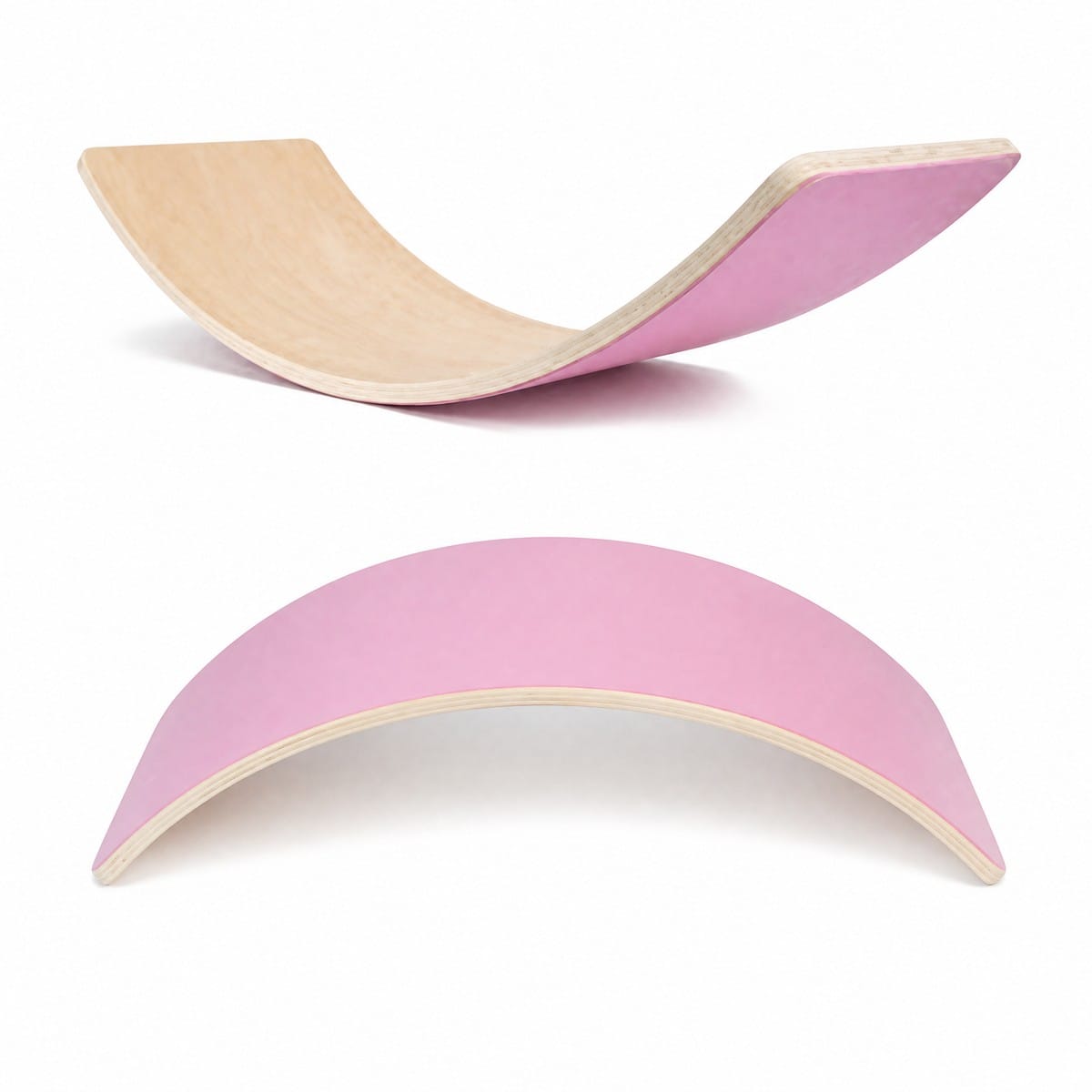
- Movement: a balance board or an arch that stores against a wall.
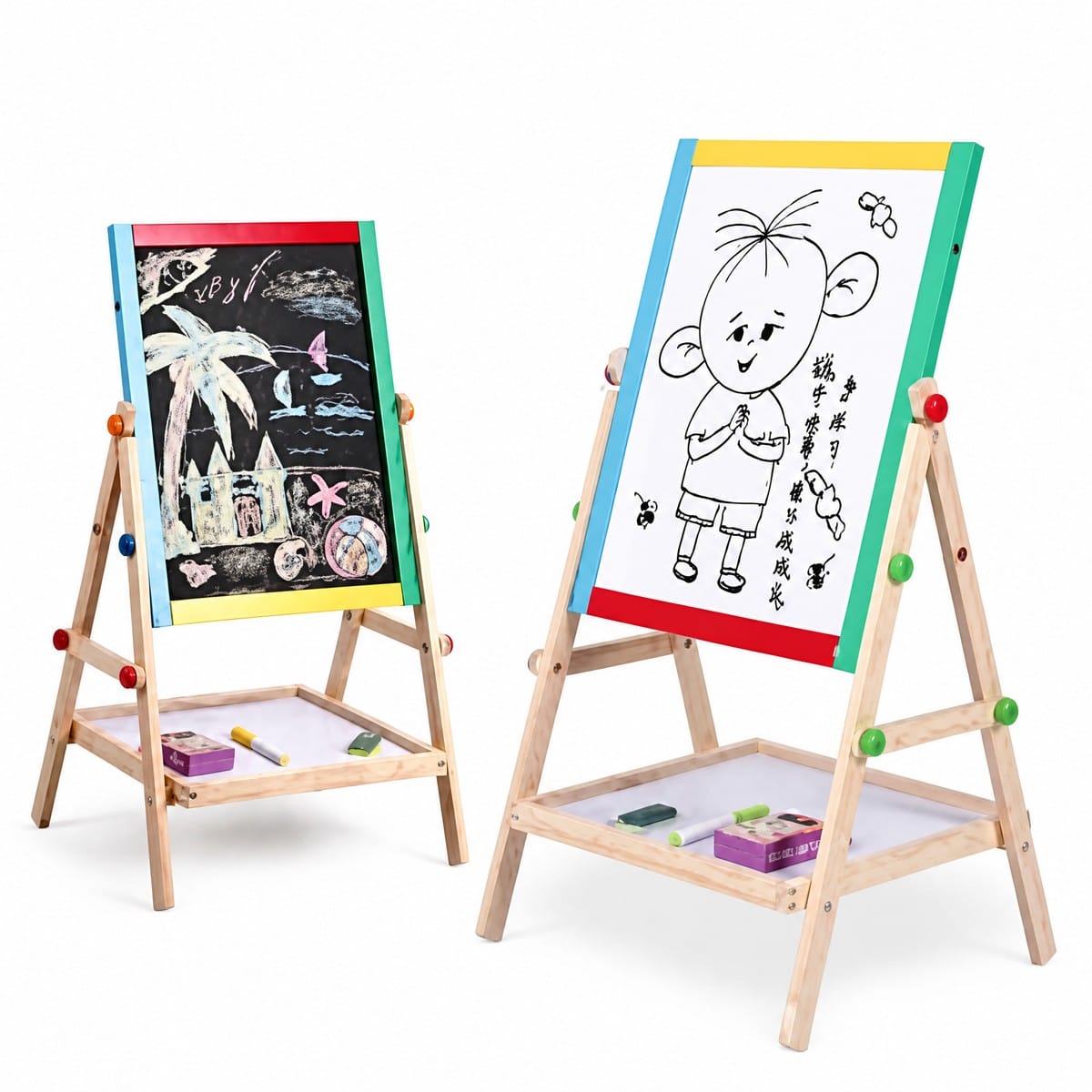
- Creative work: a two-sided easel and drawing materials.
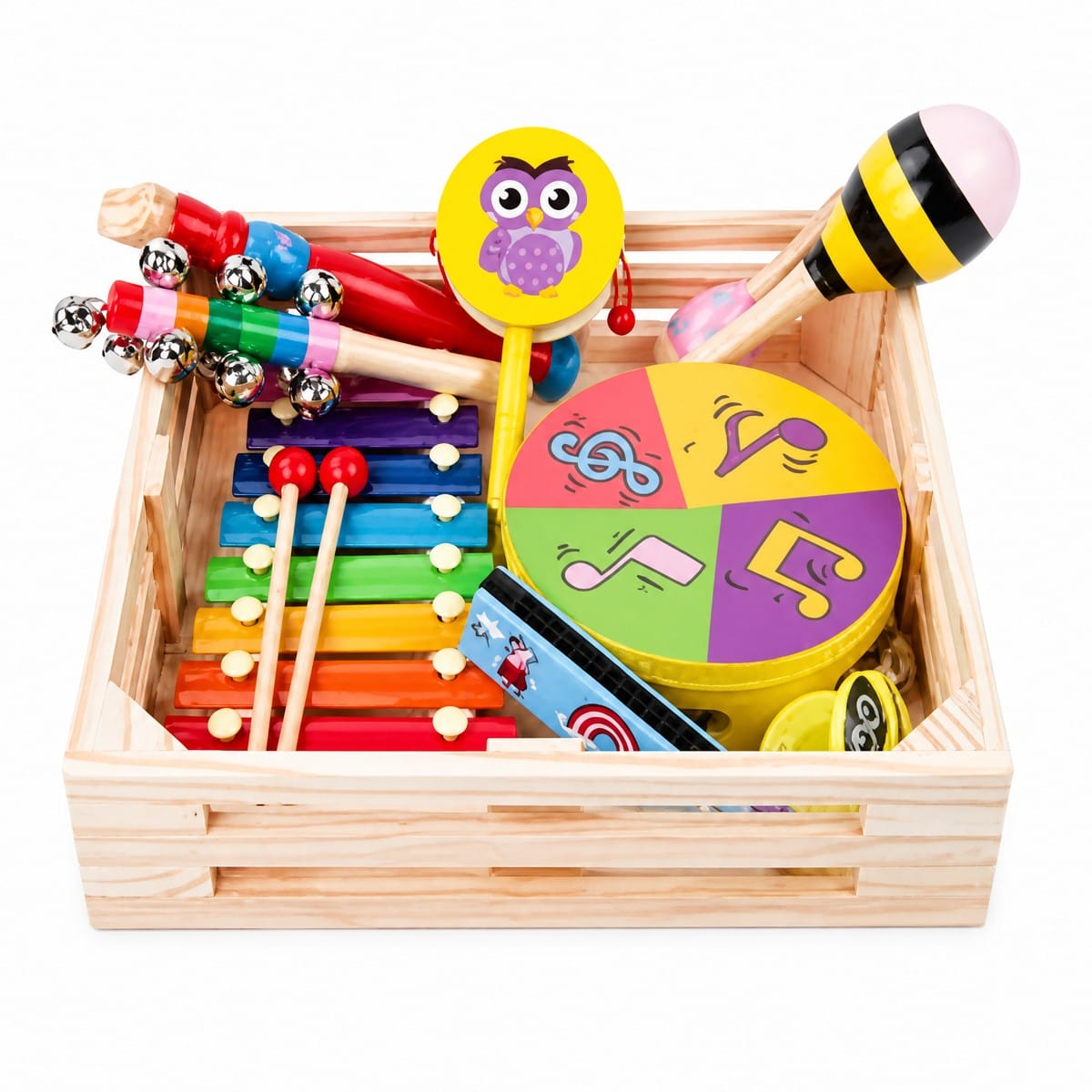
- Music: a crate of percussion for circle time.
How do you choose when the room is shared?
- Prefer tabletop formats to standing furniture.
- Choose materials that store in their own box or case.
- Count the set-up time: everything should come out and go back in a quarter of an hour.
- Plan one crate per area, labelled with a picture, so the children tidy up themselves.
How much does a small group need?
For around ten children, two or three activities per area are enough. Rotate, do not accumulate: a puzzle replaced every few weeks renews interest better than a pile of twenty.
What prepares children for kindergarten?
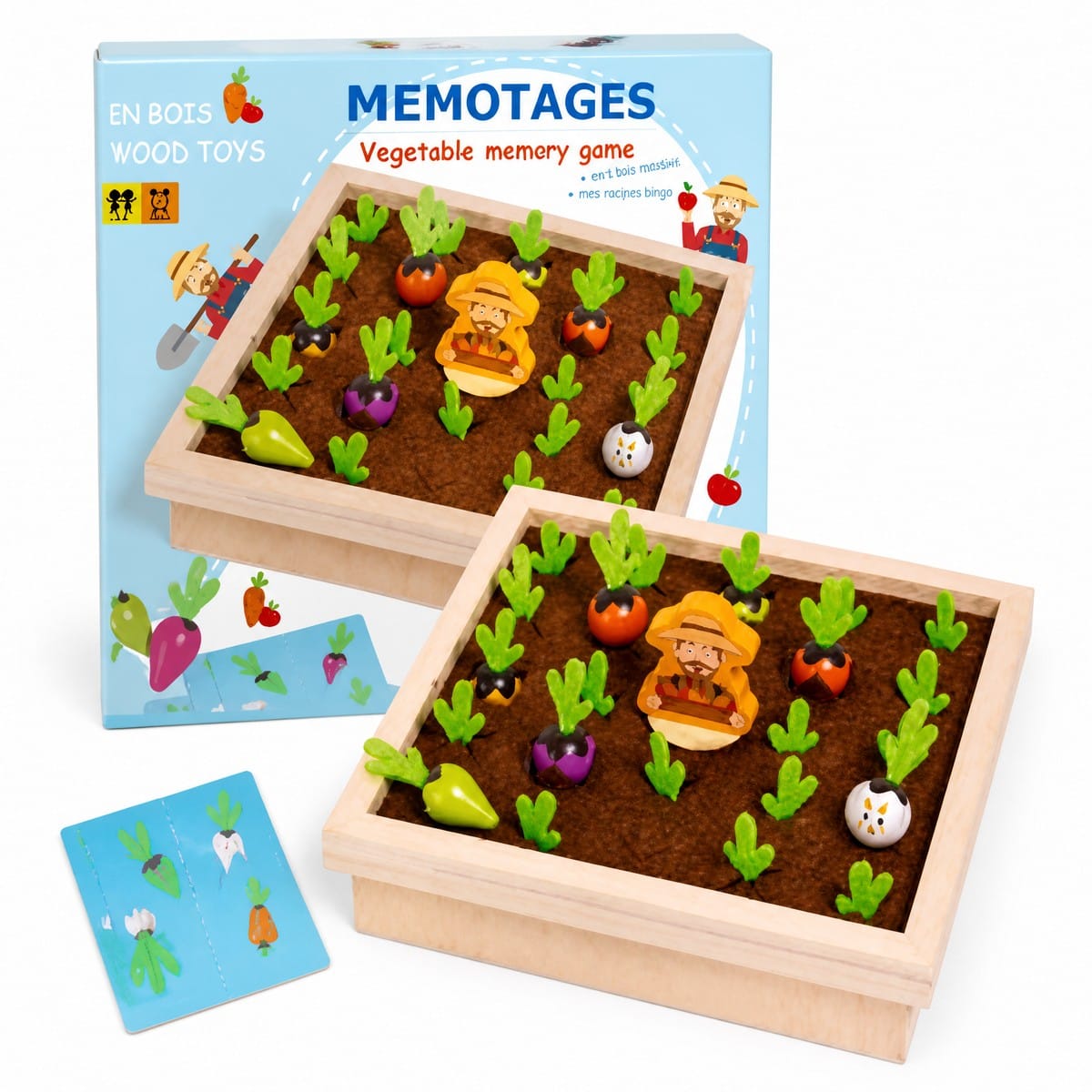
Towards the end of their time in the playgroup, children take an interest in letters, numbers and games with rules. A tracing board, a counting board and a memory game make the link with kindergarten.