
Puzzles
Assembly, shapes and matching
Wooden puzzles, knobbed insets, layered puzzles, tangrams, mosaics and stacking games for daycares, nurseries and schools. From a first three-shape inset to 250-piece mosaics, there is a level for every child.
Items
34 items
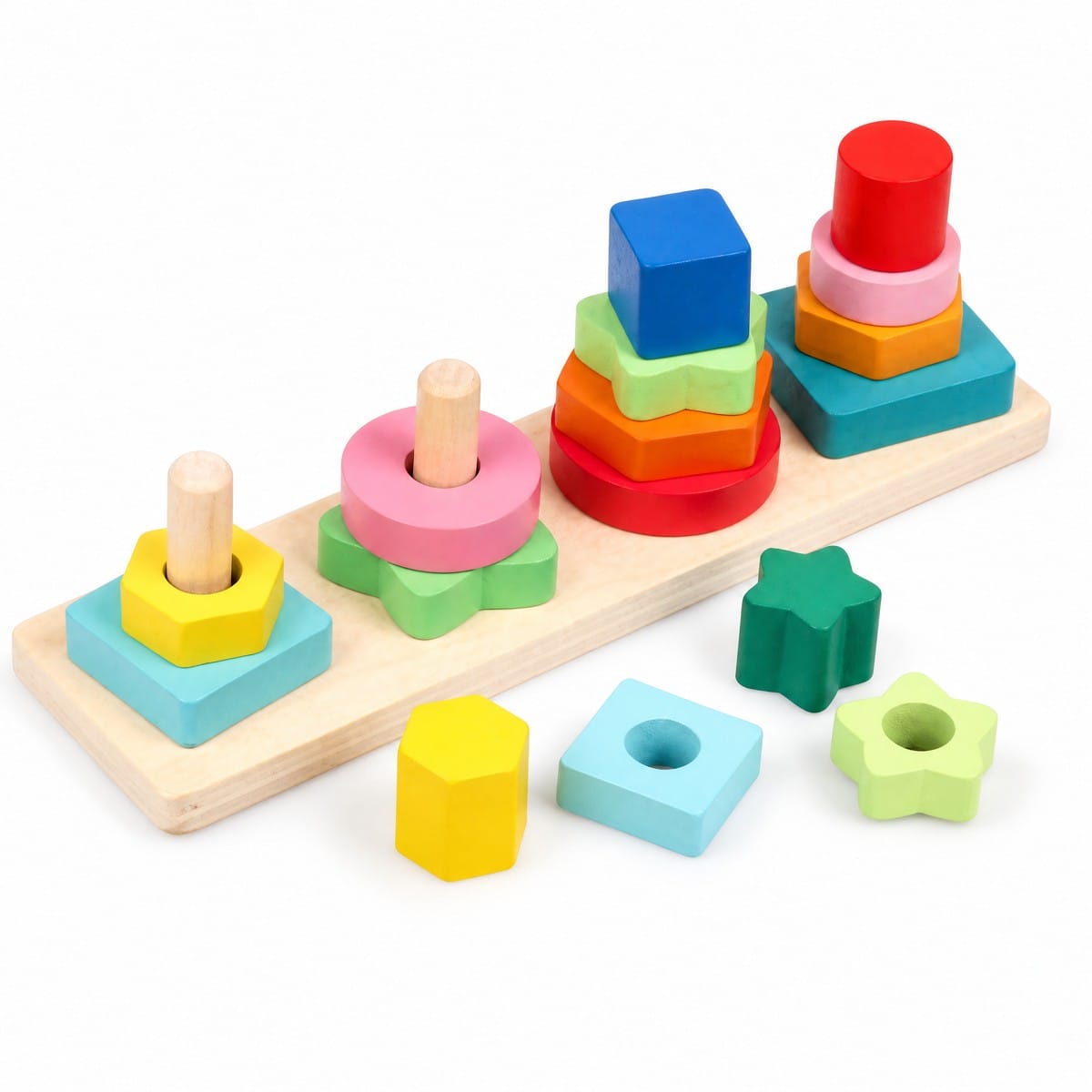
Shape stacker on four pegs (pastel)
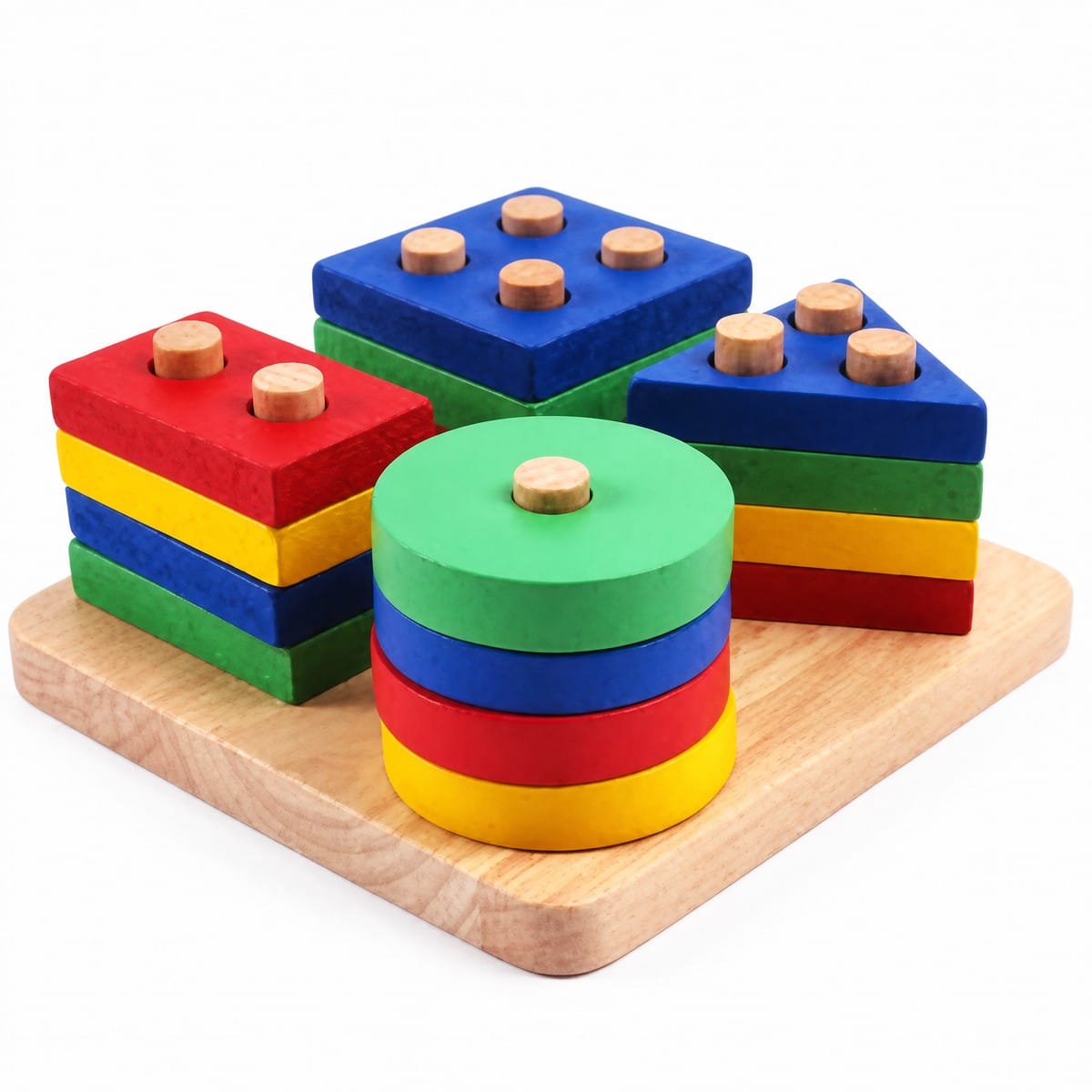
Geometric stacker with multiple pegs
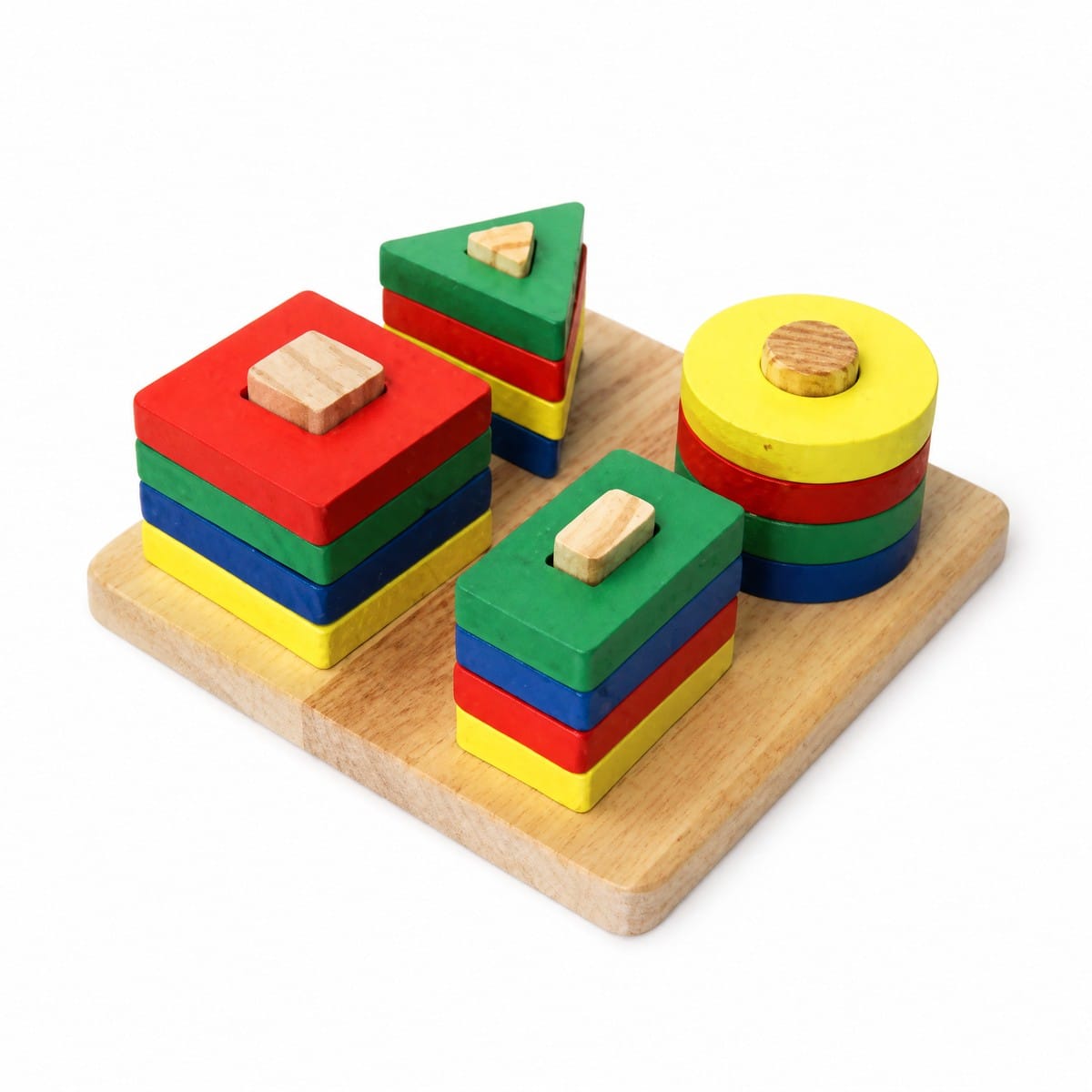
Shape stacker on a square board
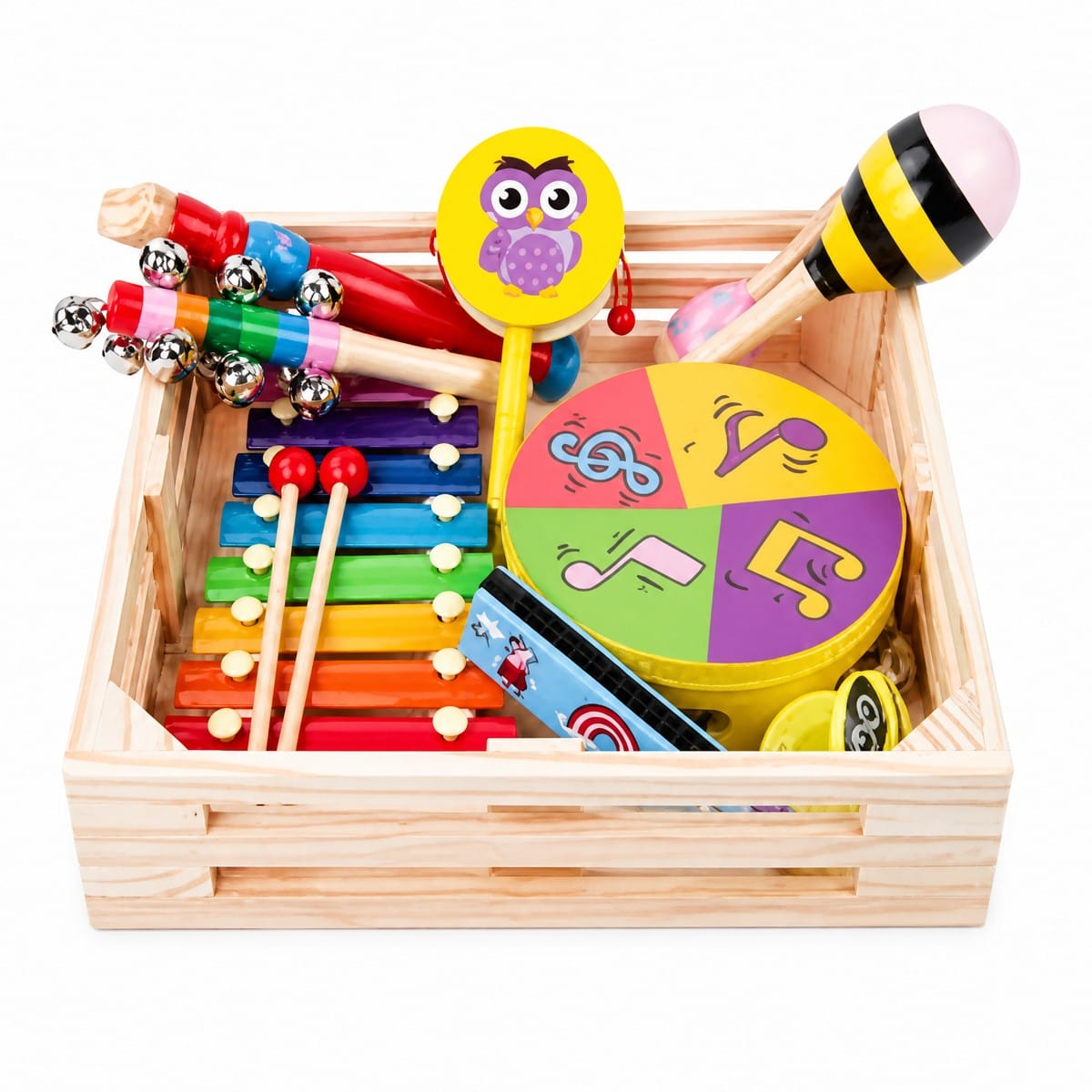
Musical instrument
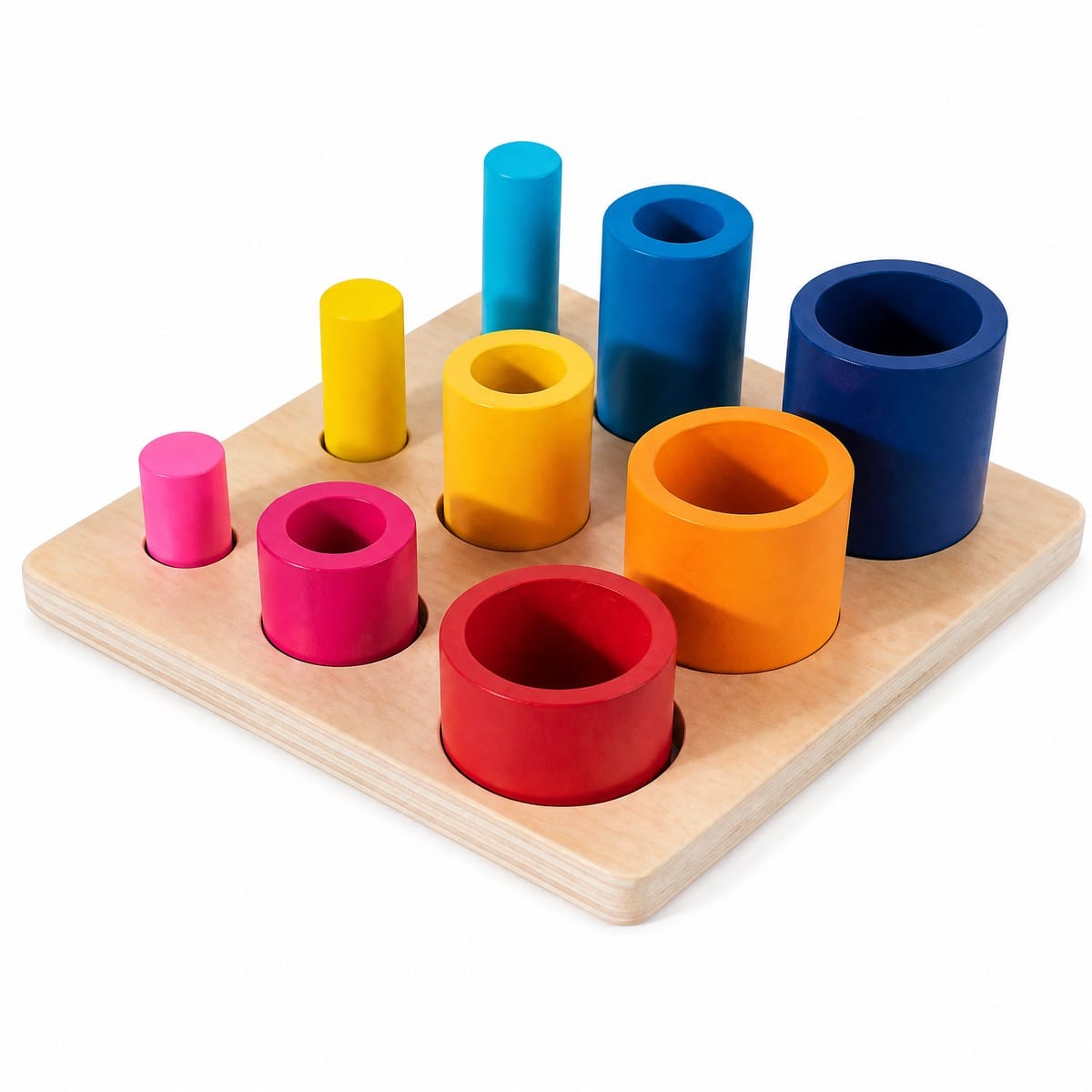
Shape matching game
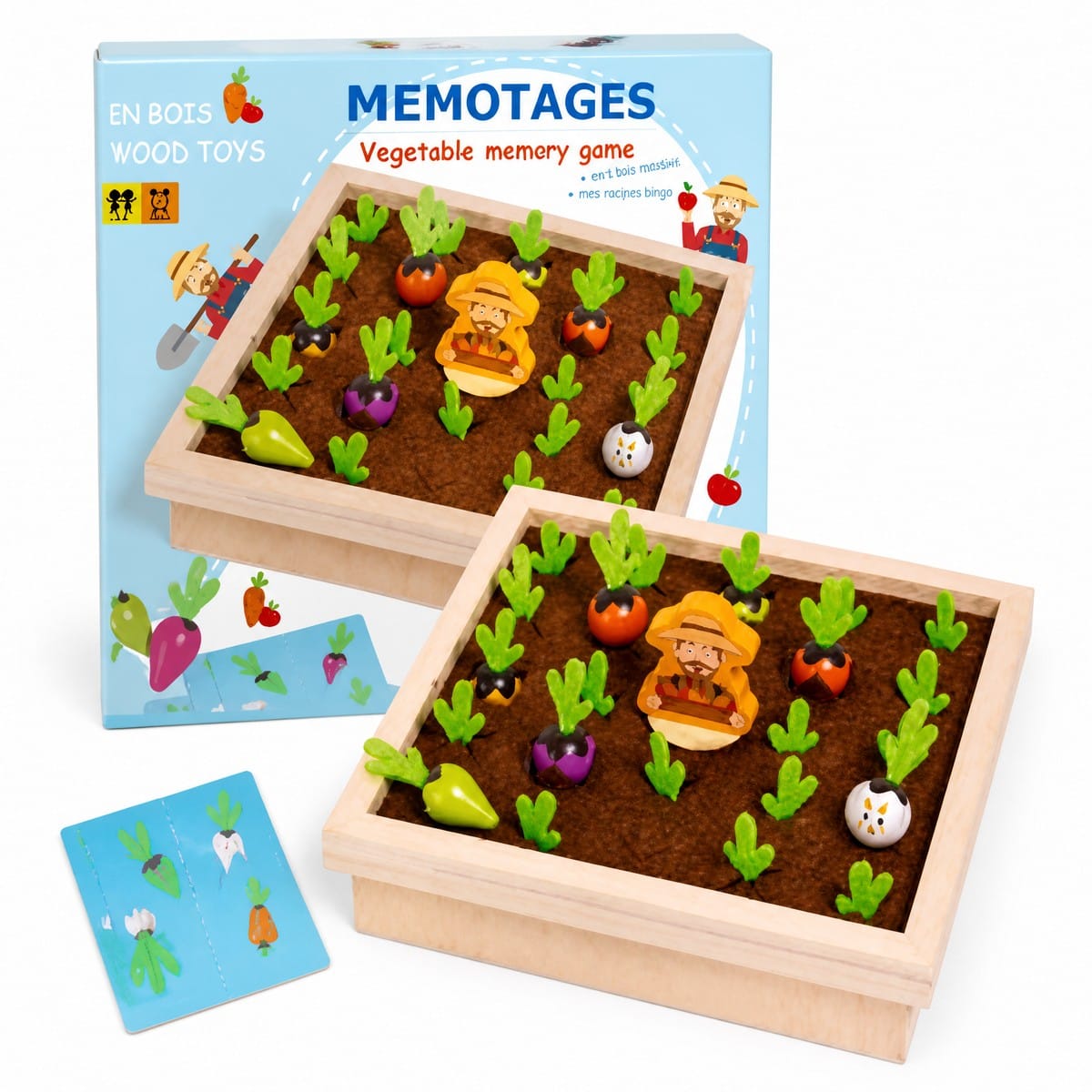
Memory game “radish”
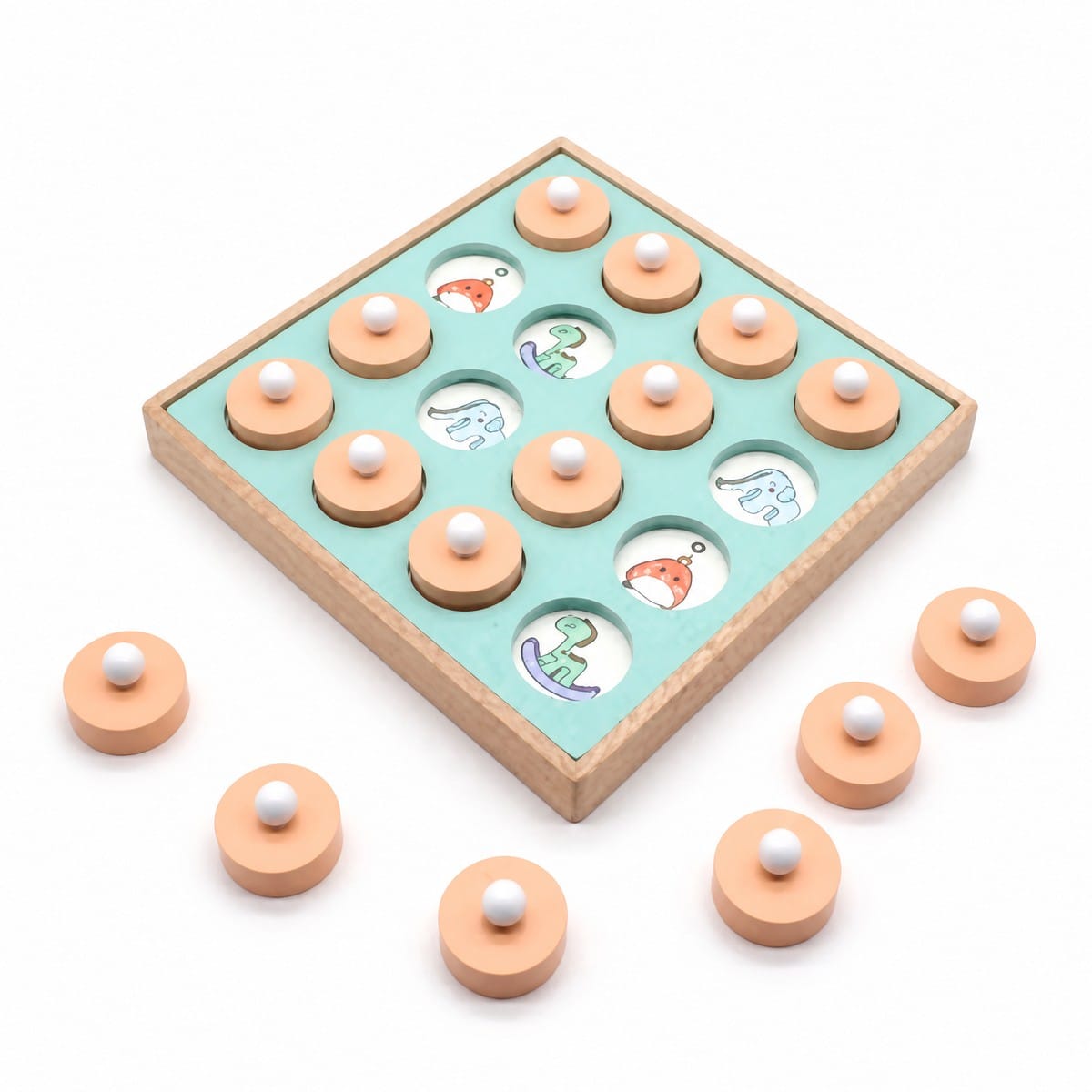
Memory game “chess”
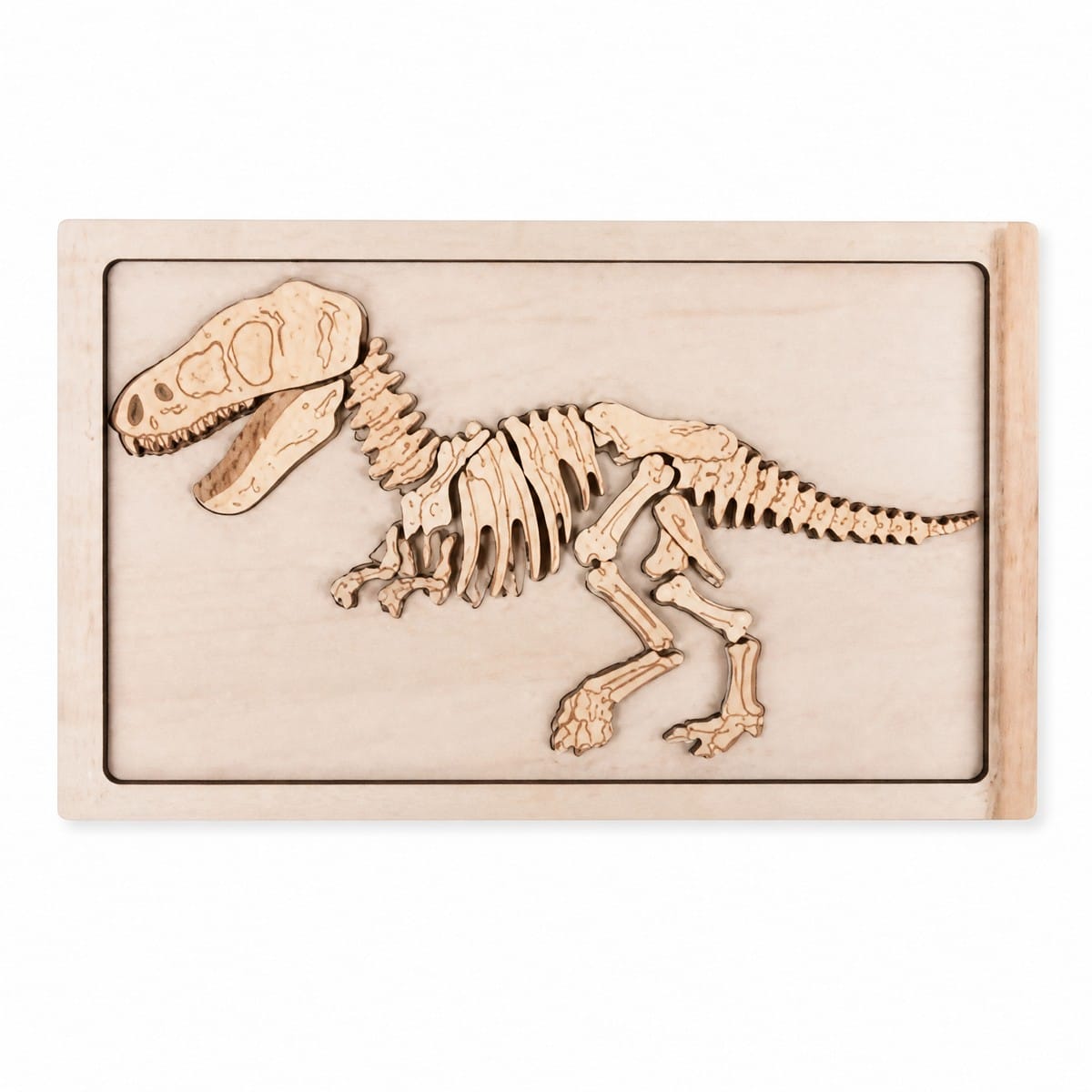
Dinosaur fossil game
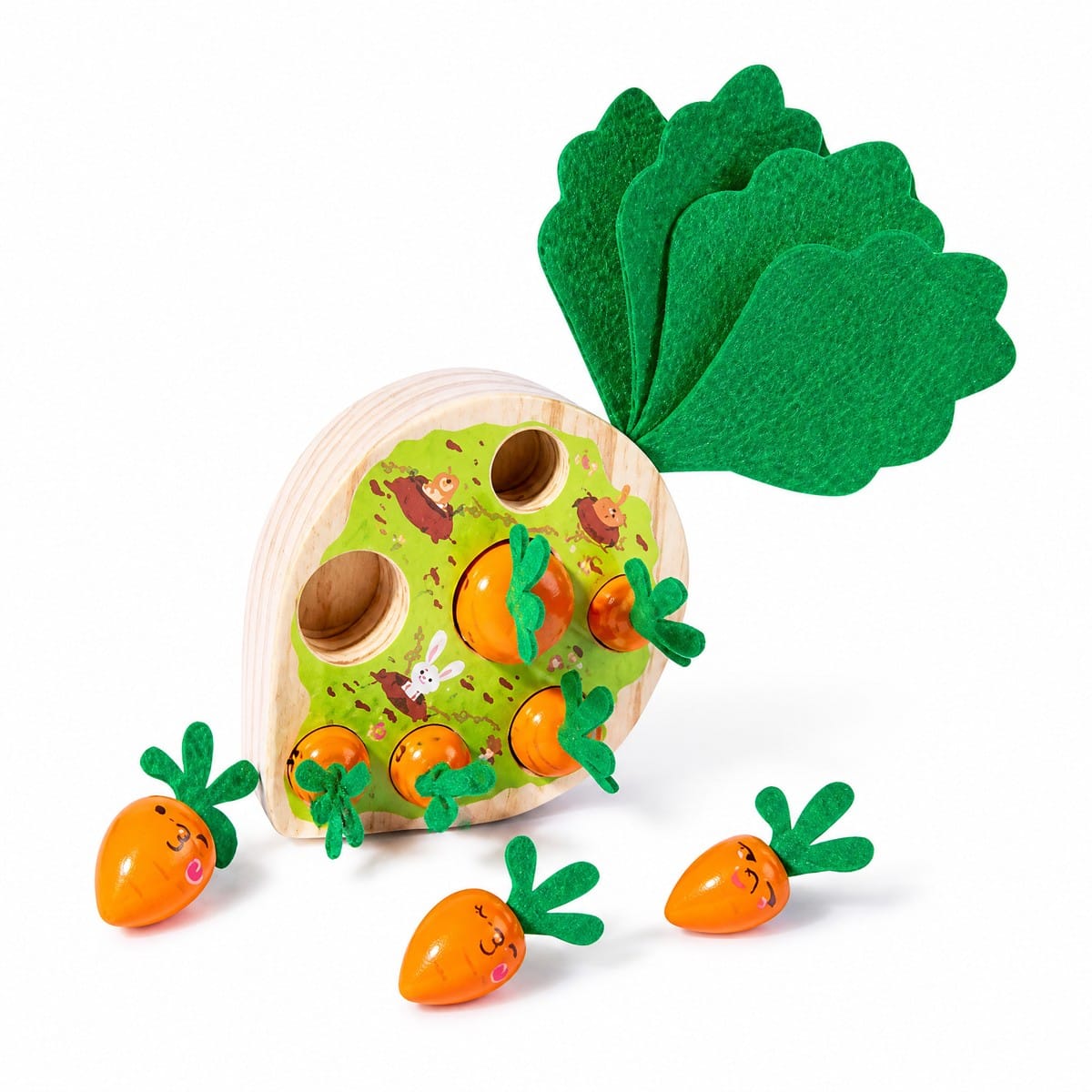
Pull-the-radish game
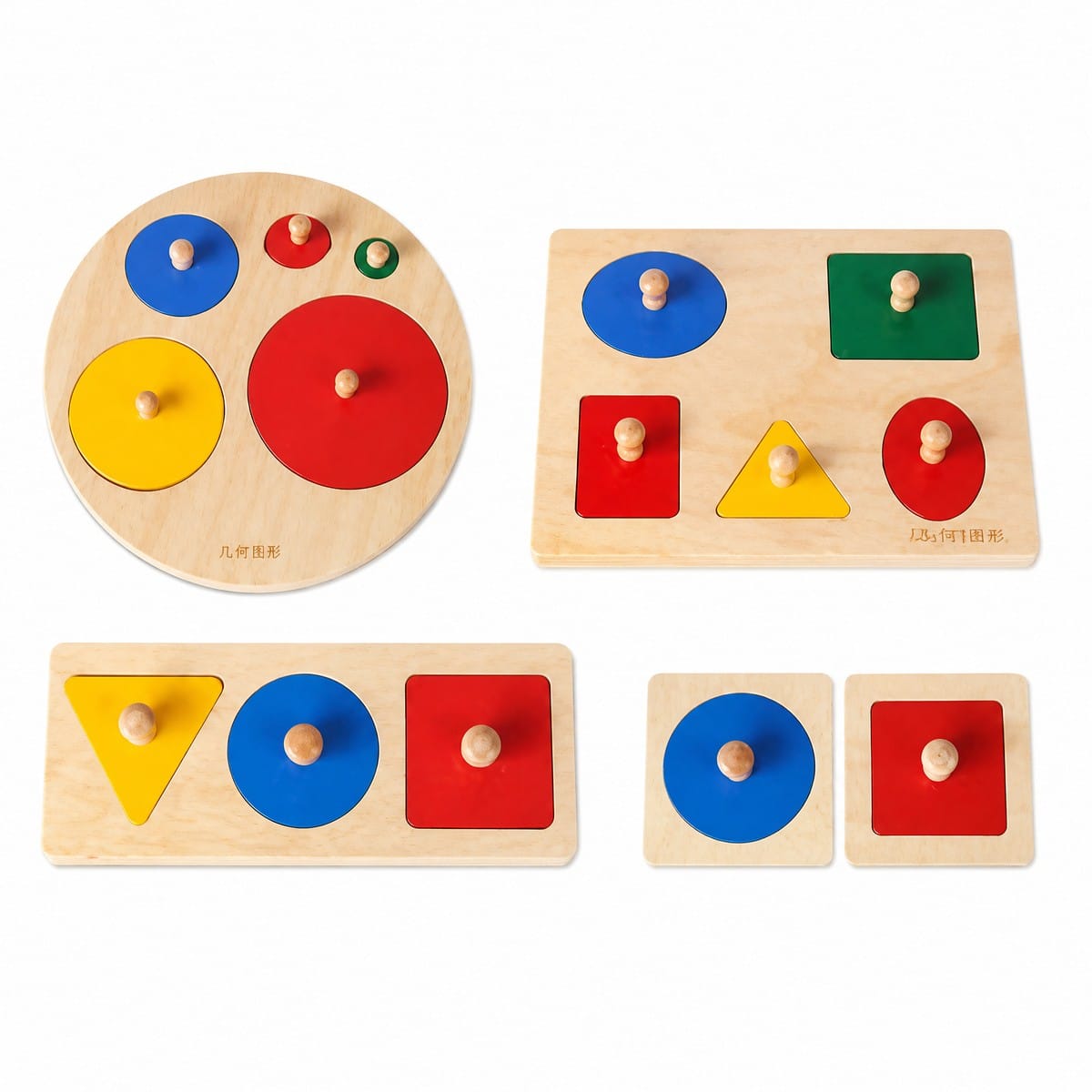
Tongs with geometric shapes (square)
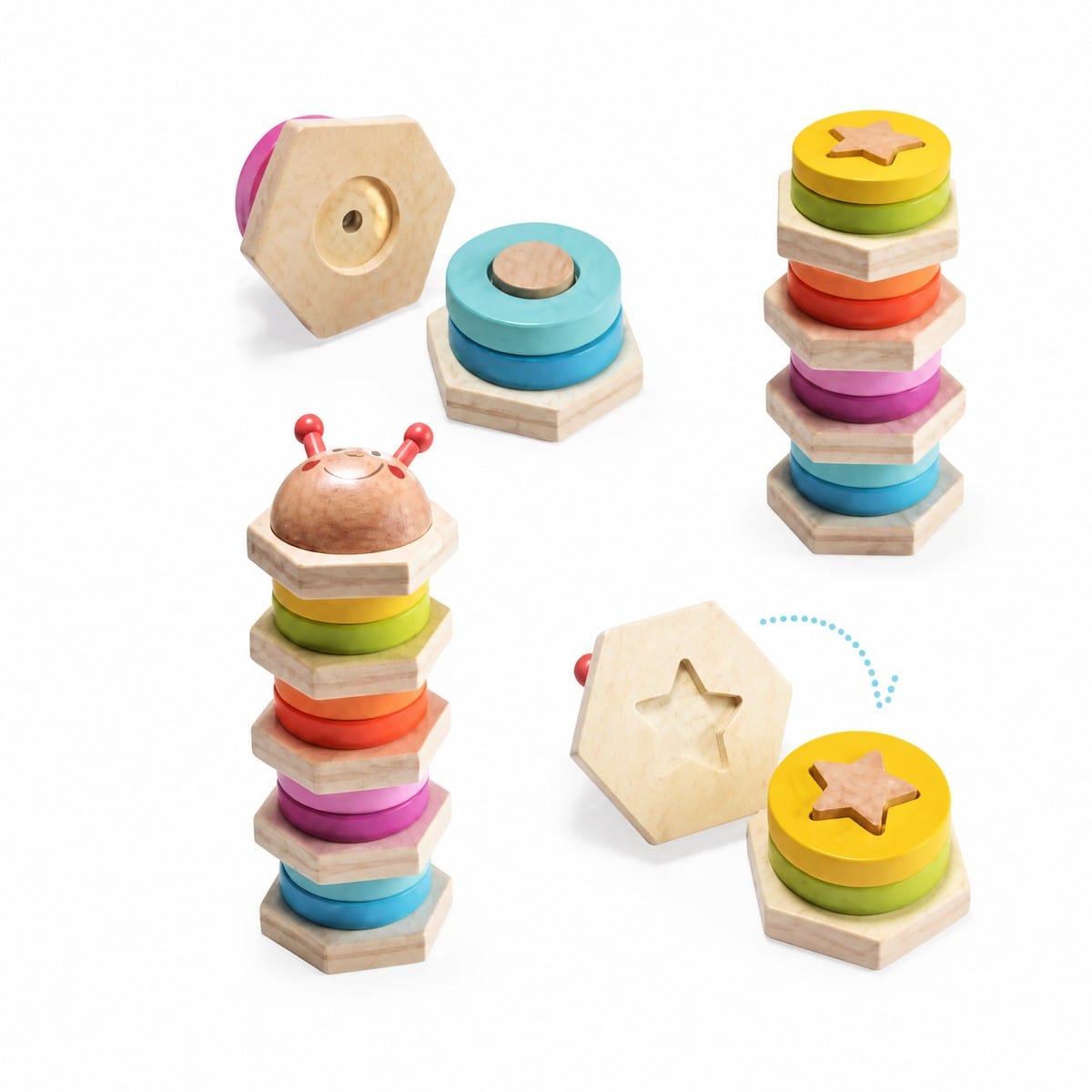
Shape board
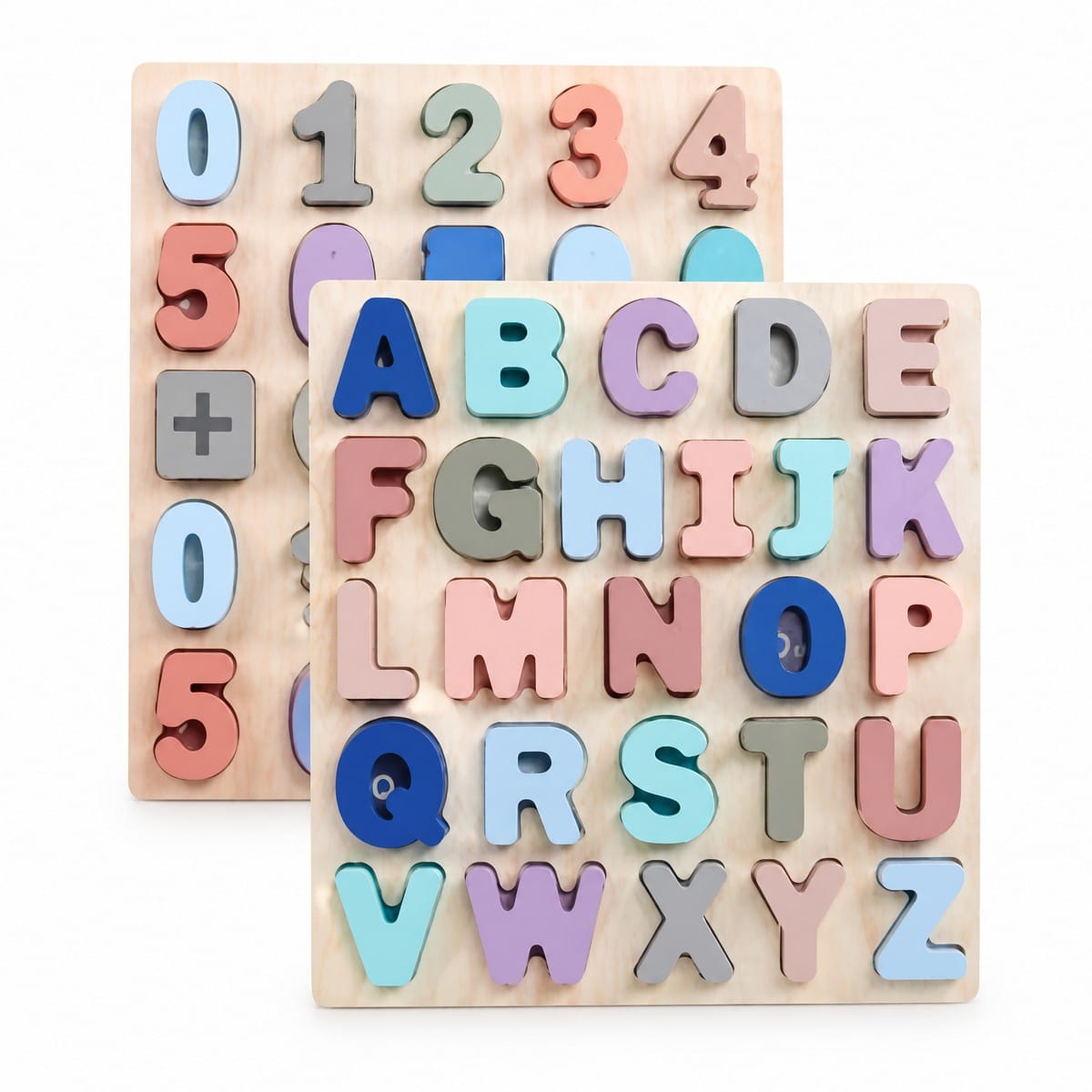
Puzzle board
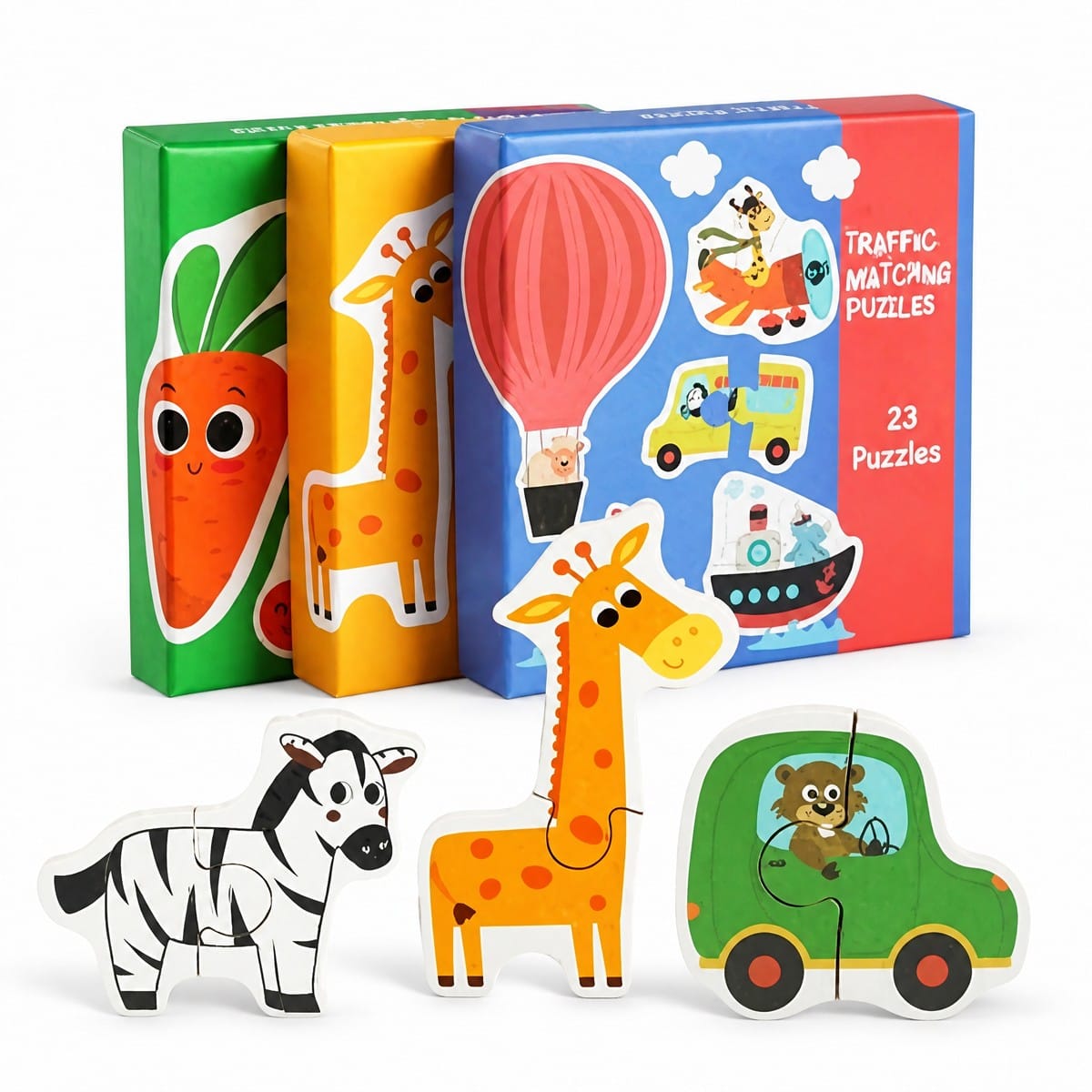
Boxed shaped puzzles “vegetables, animals, transport”
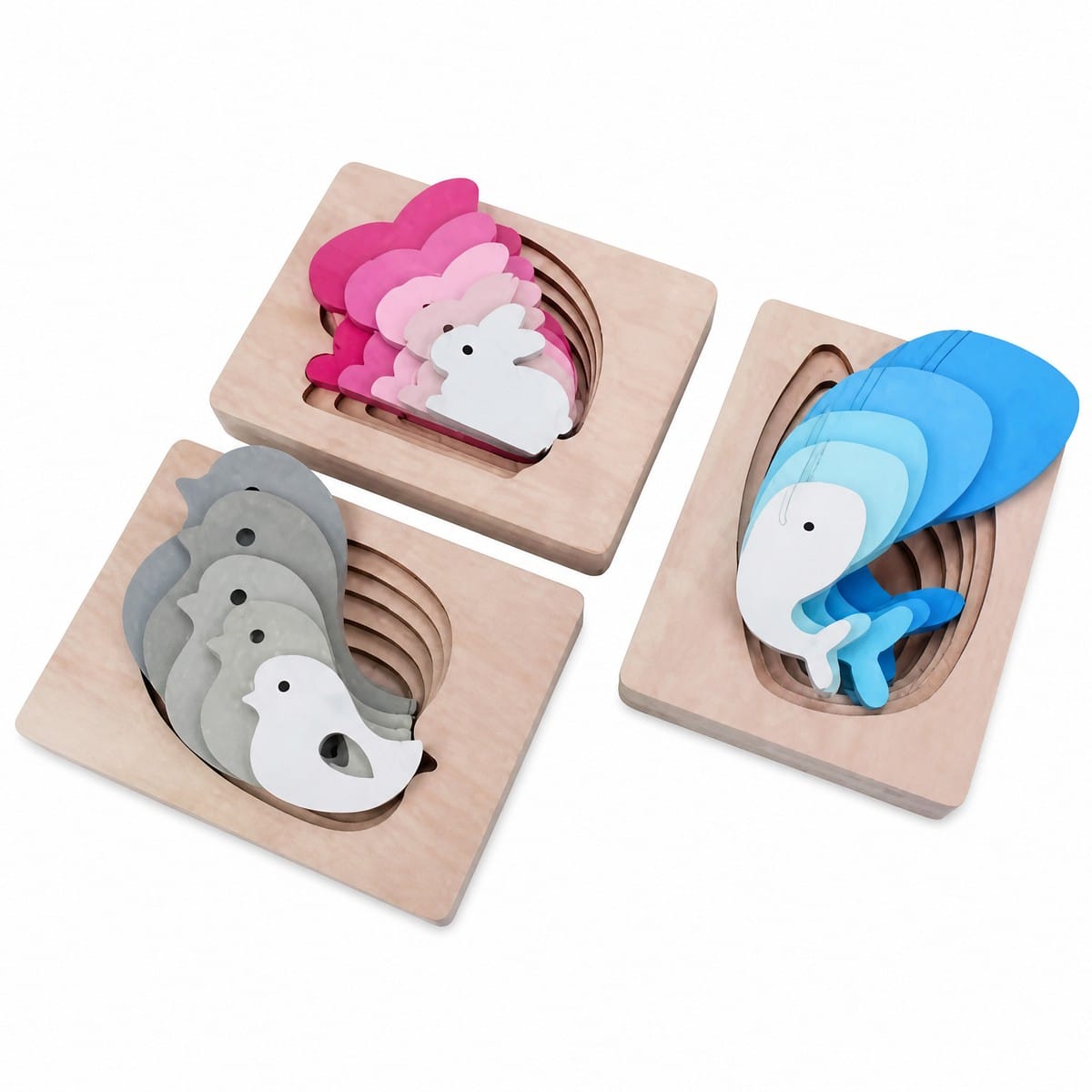
Layered puzzle “animals”
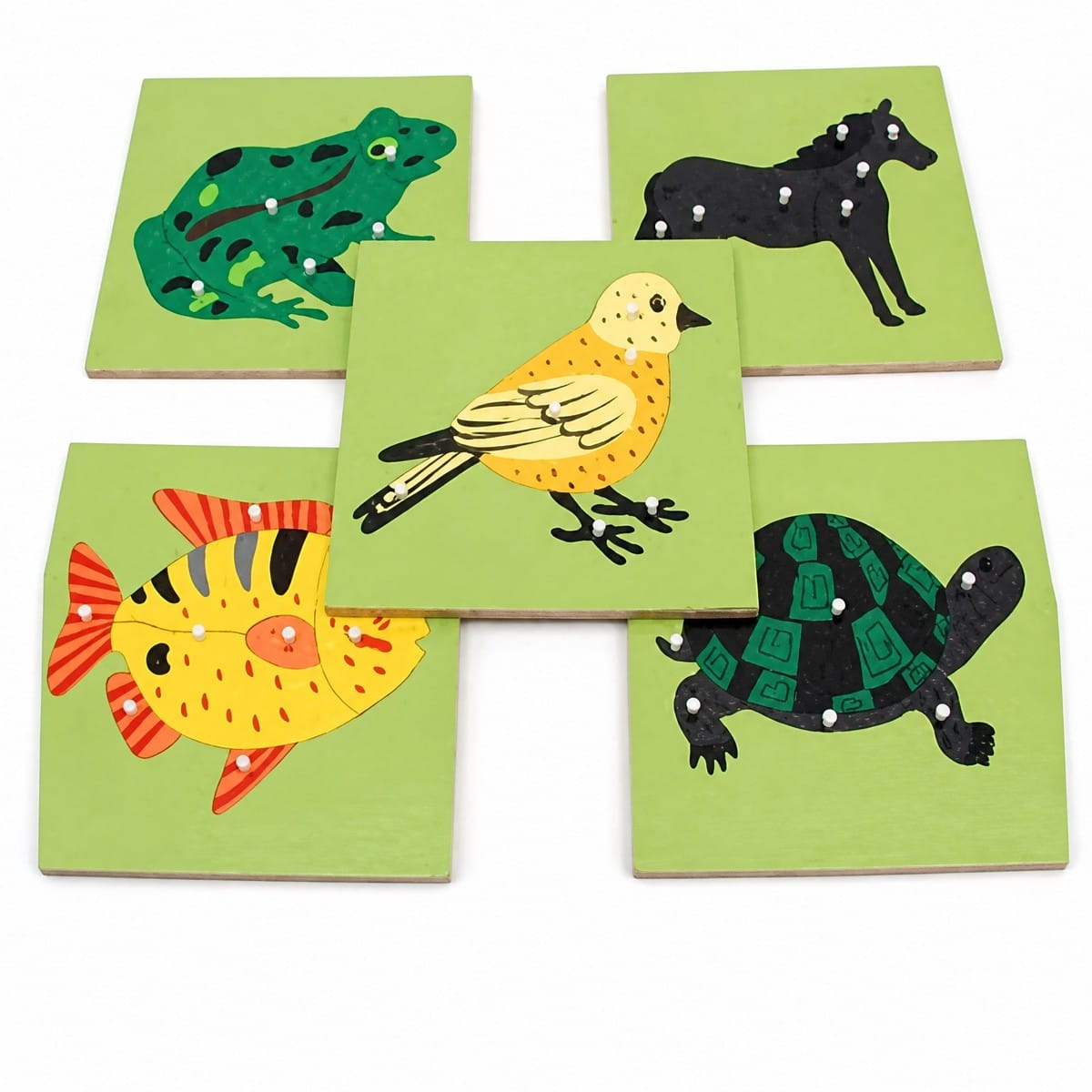
Knobbed puzzles “animals”
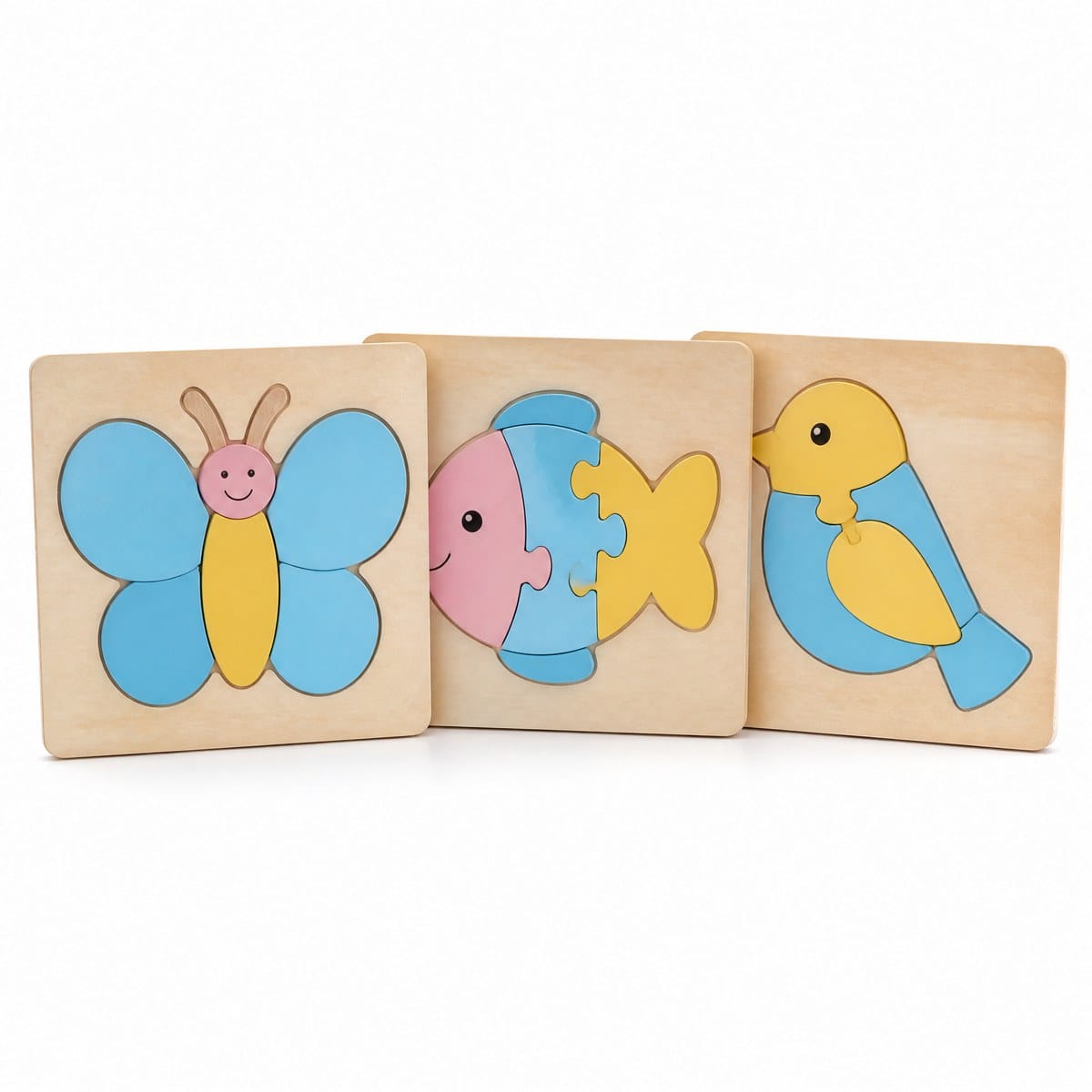
Wooden puzzle “butterfly, fish, bird”
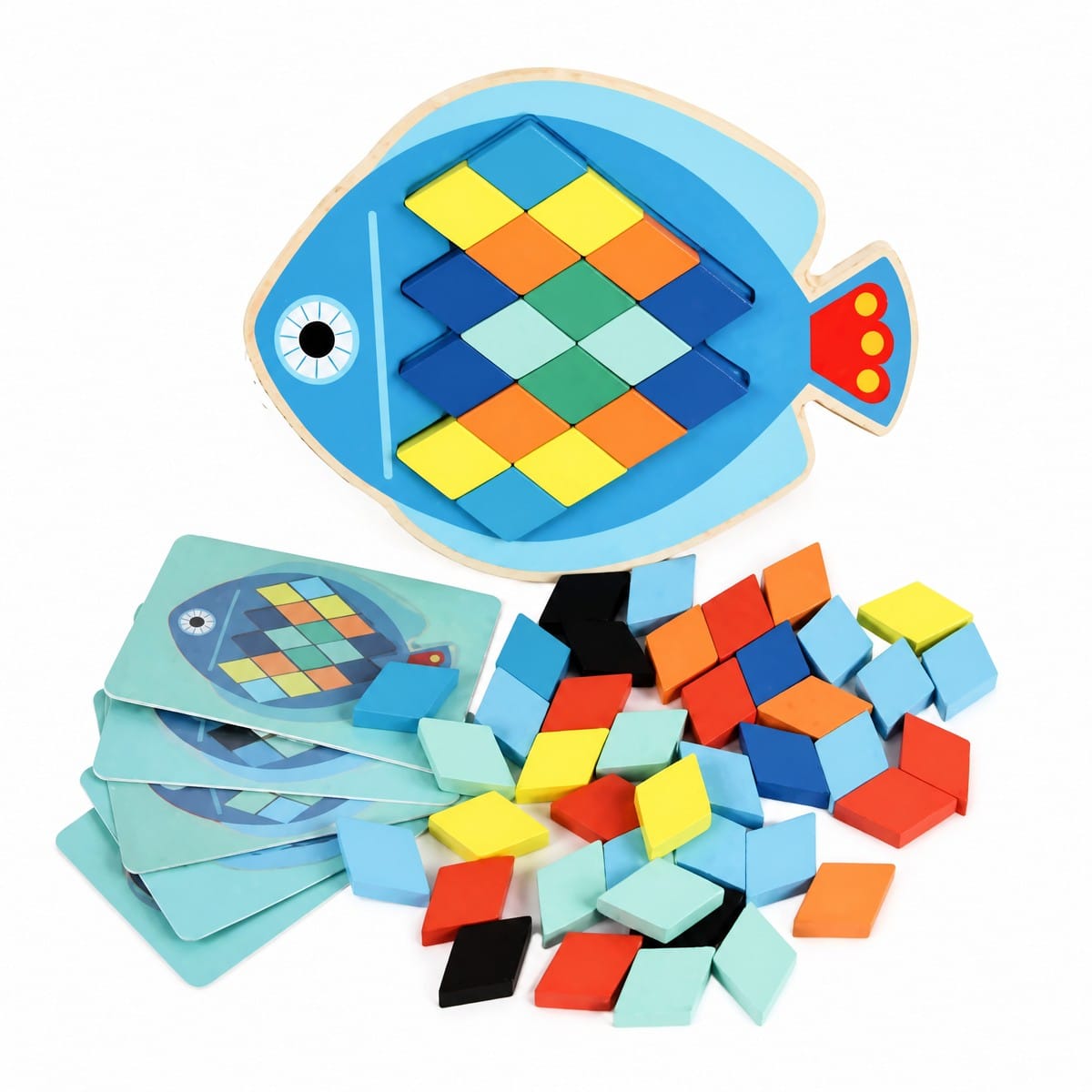
Mosaic puzzle “fish”
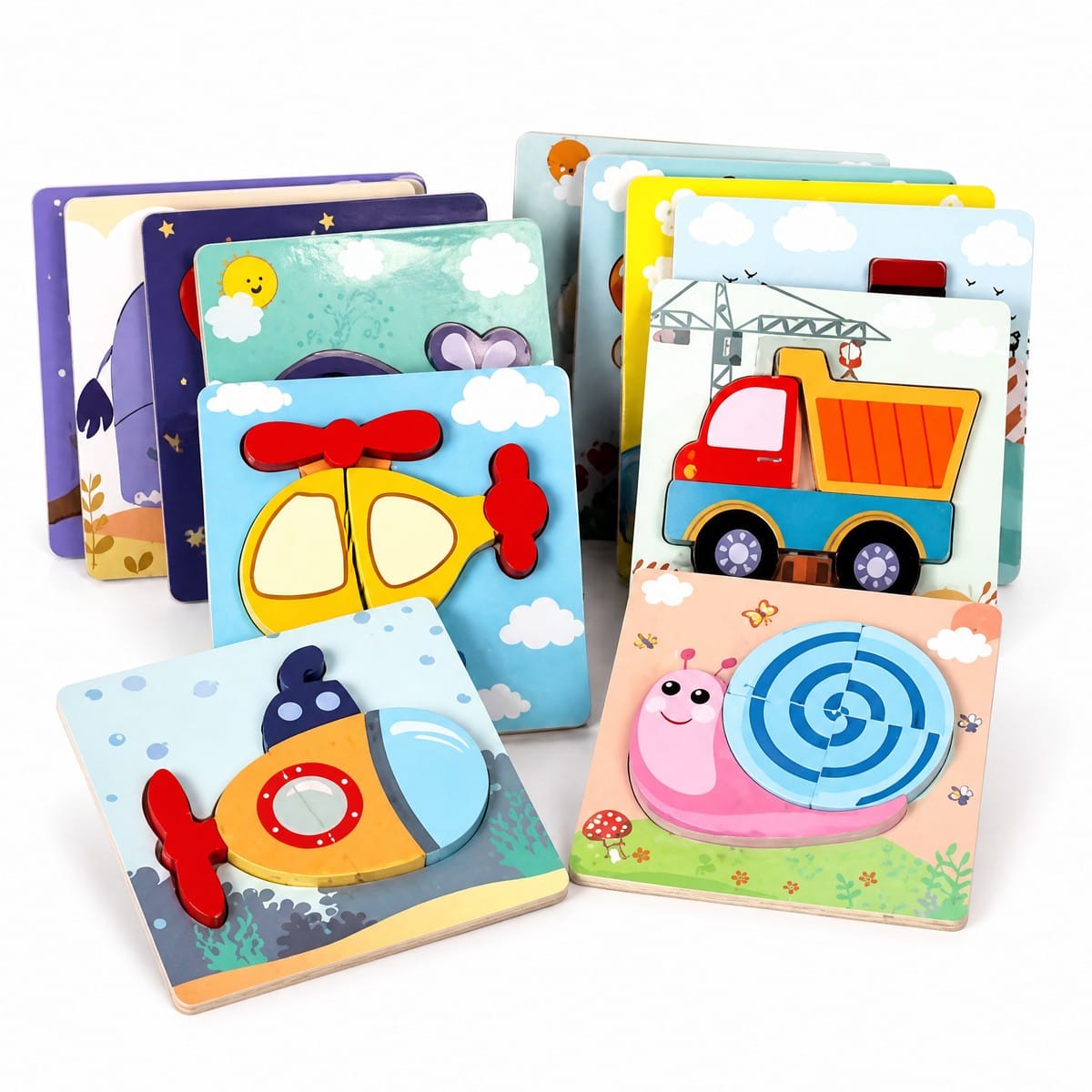
Chunky puzzle “helicopter, lorry, rocket”
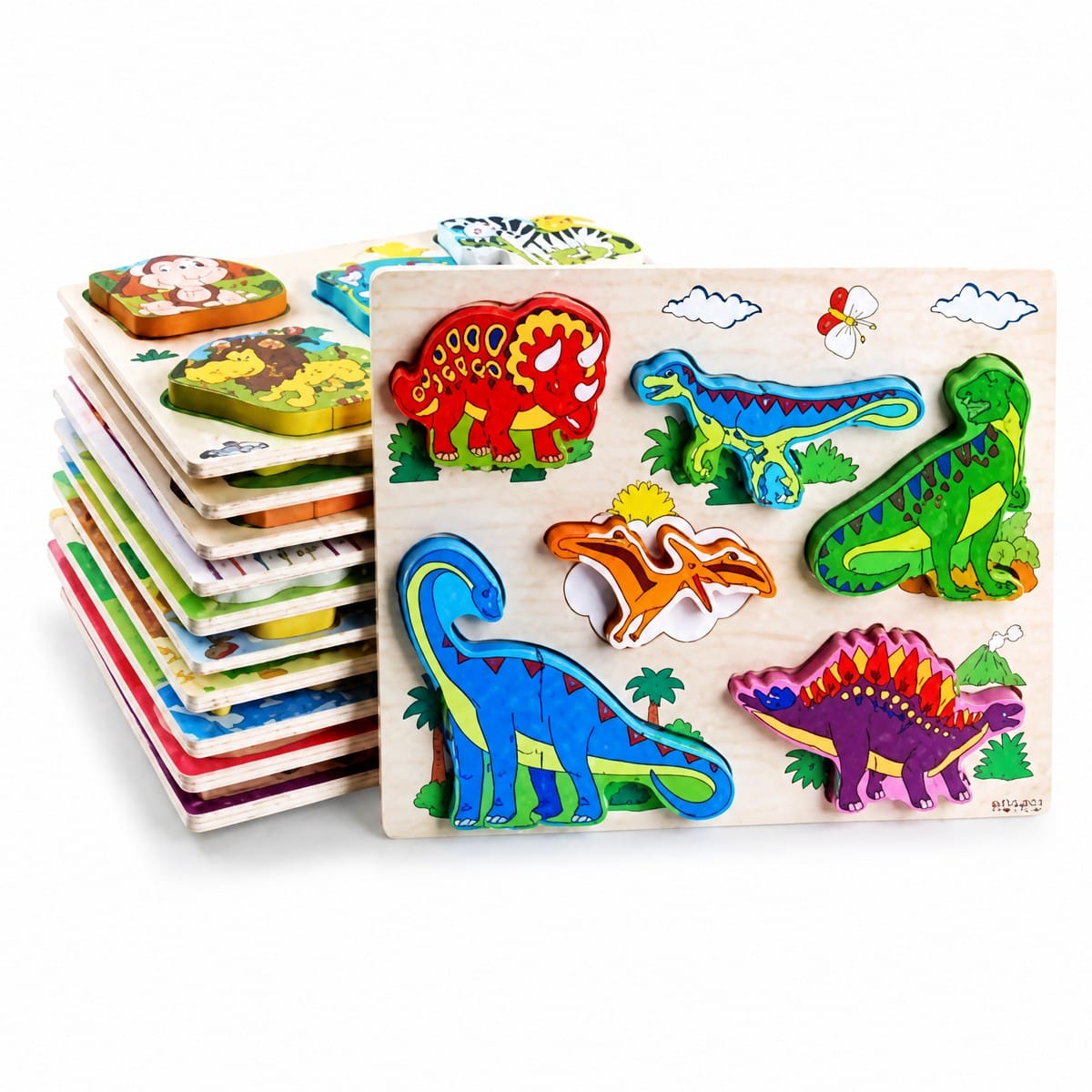
Inset puzzle “dinosaurs”
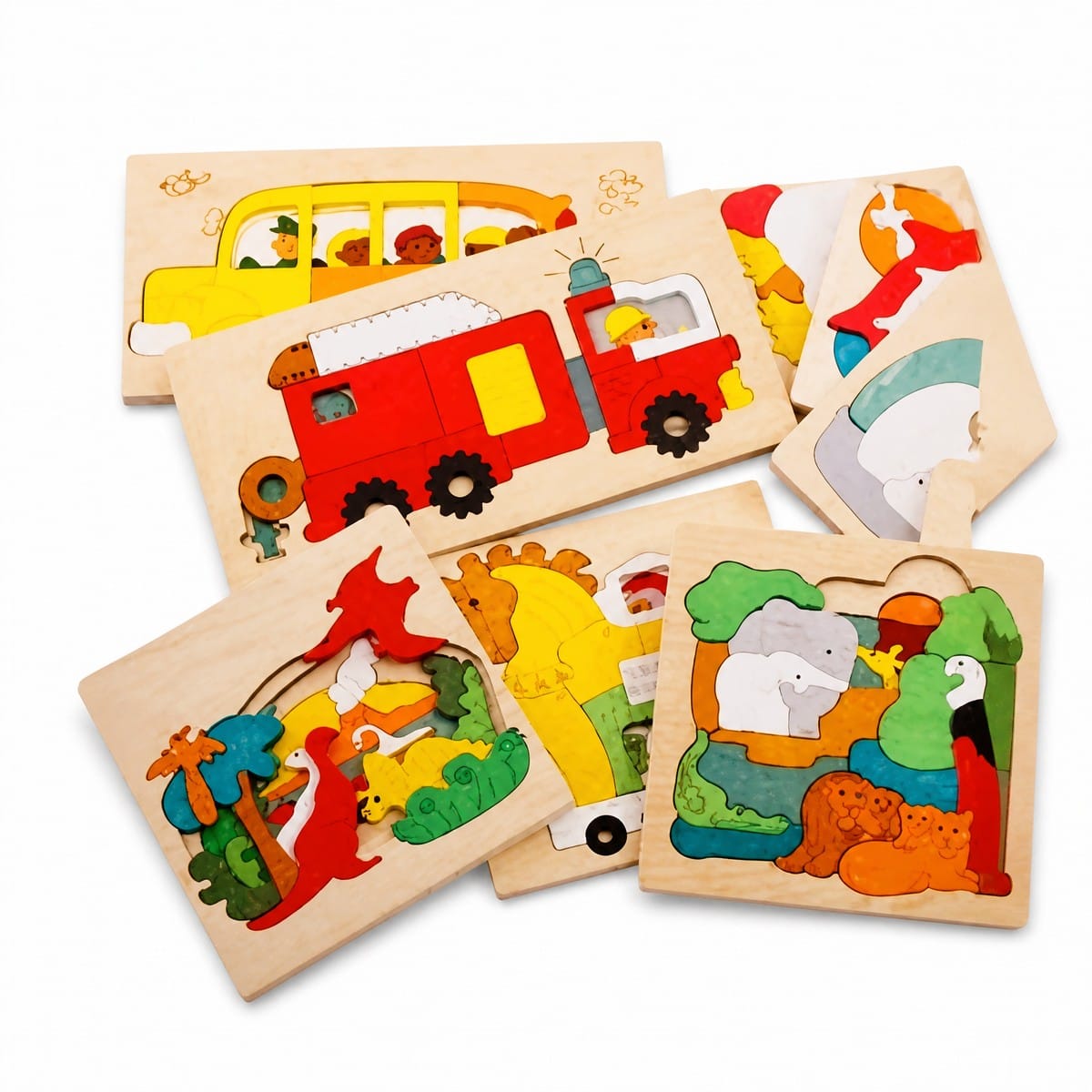
Wooden puzzle “fire engine, bus and animals”
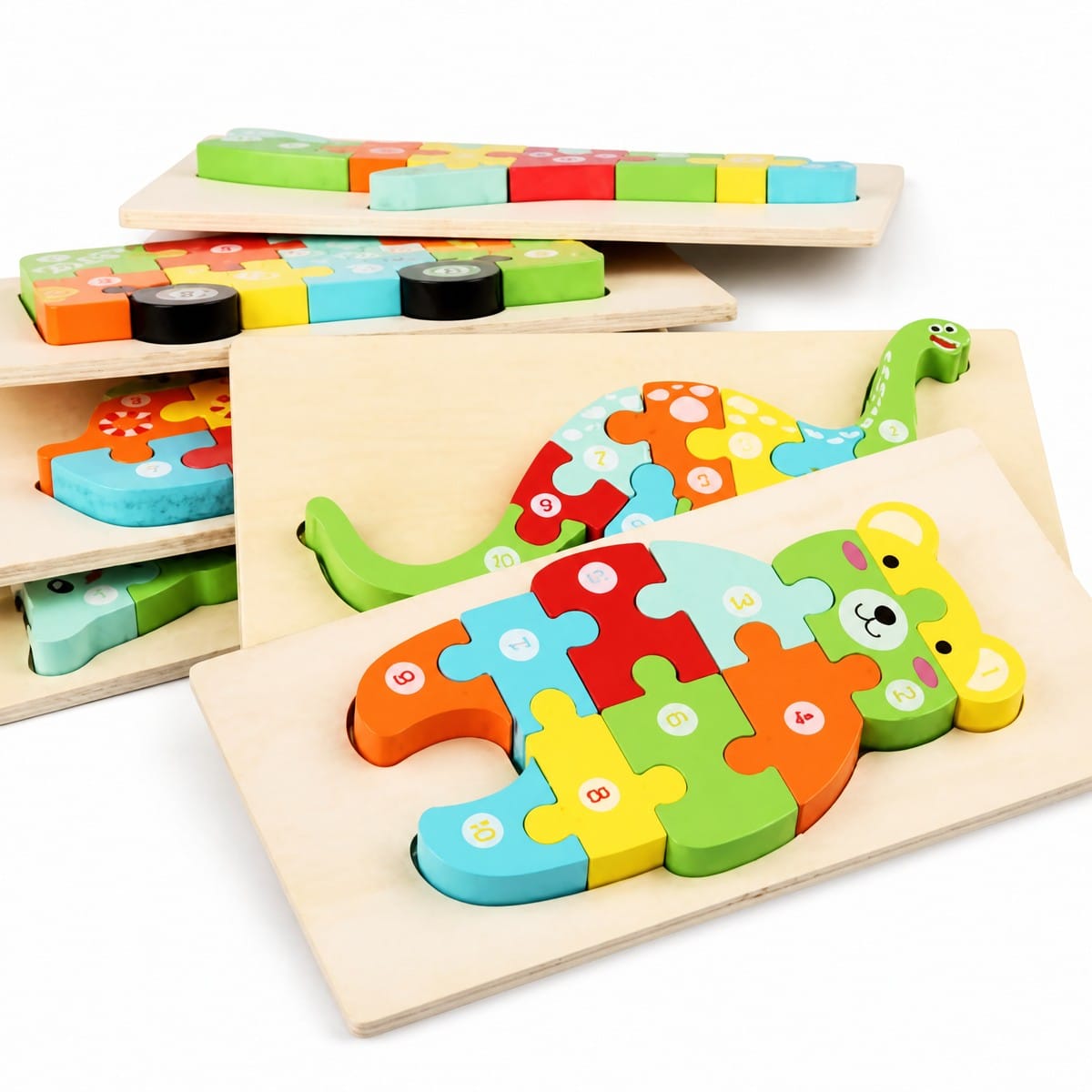
Number puzzle “dinosaur and bear”
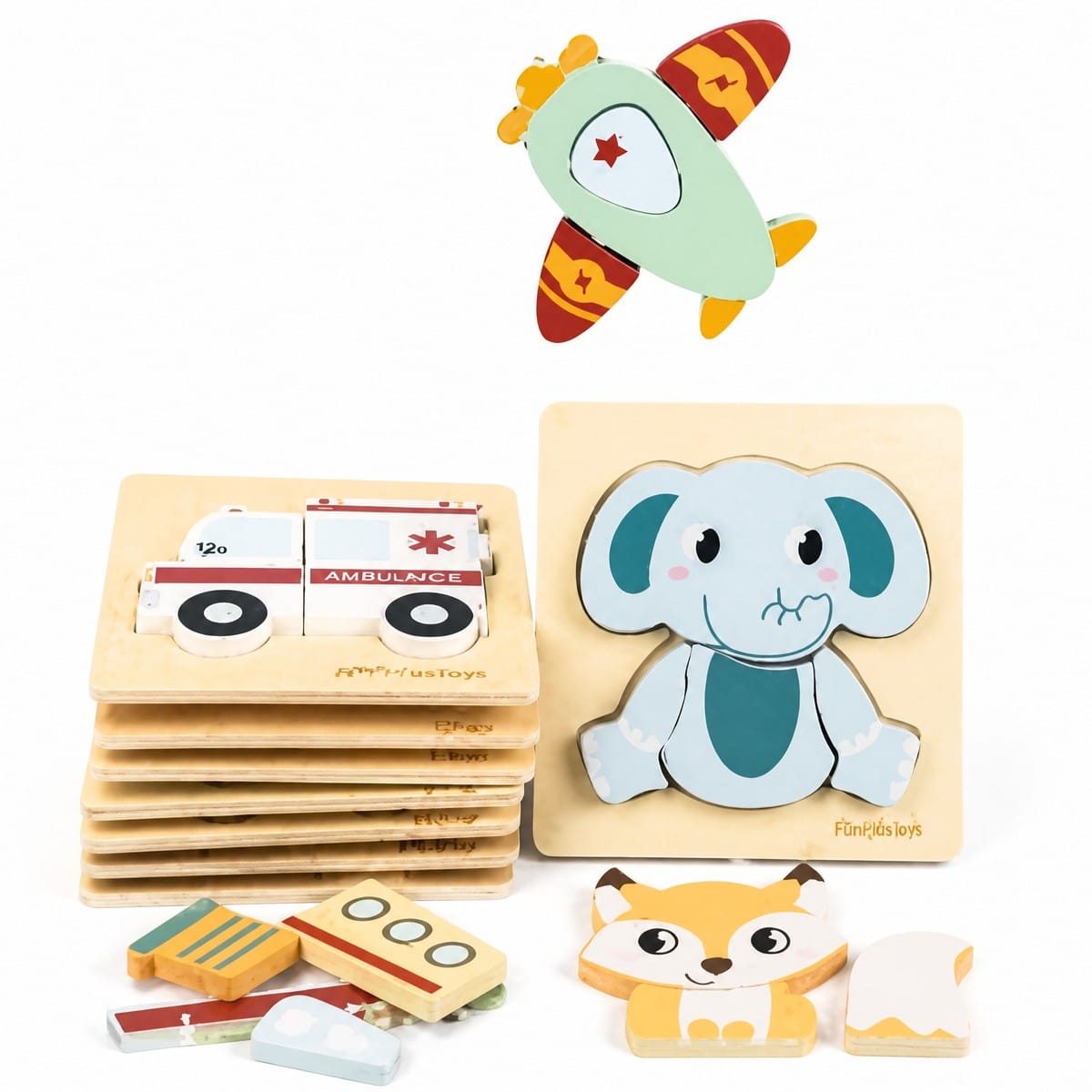
Chunky puzzle “elephant, fox, ambulance”
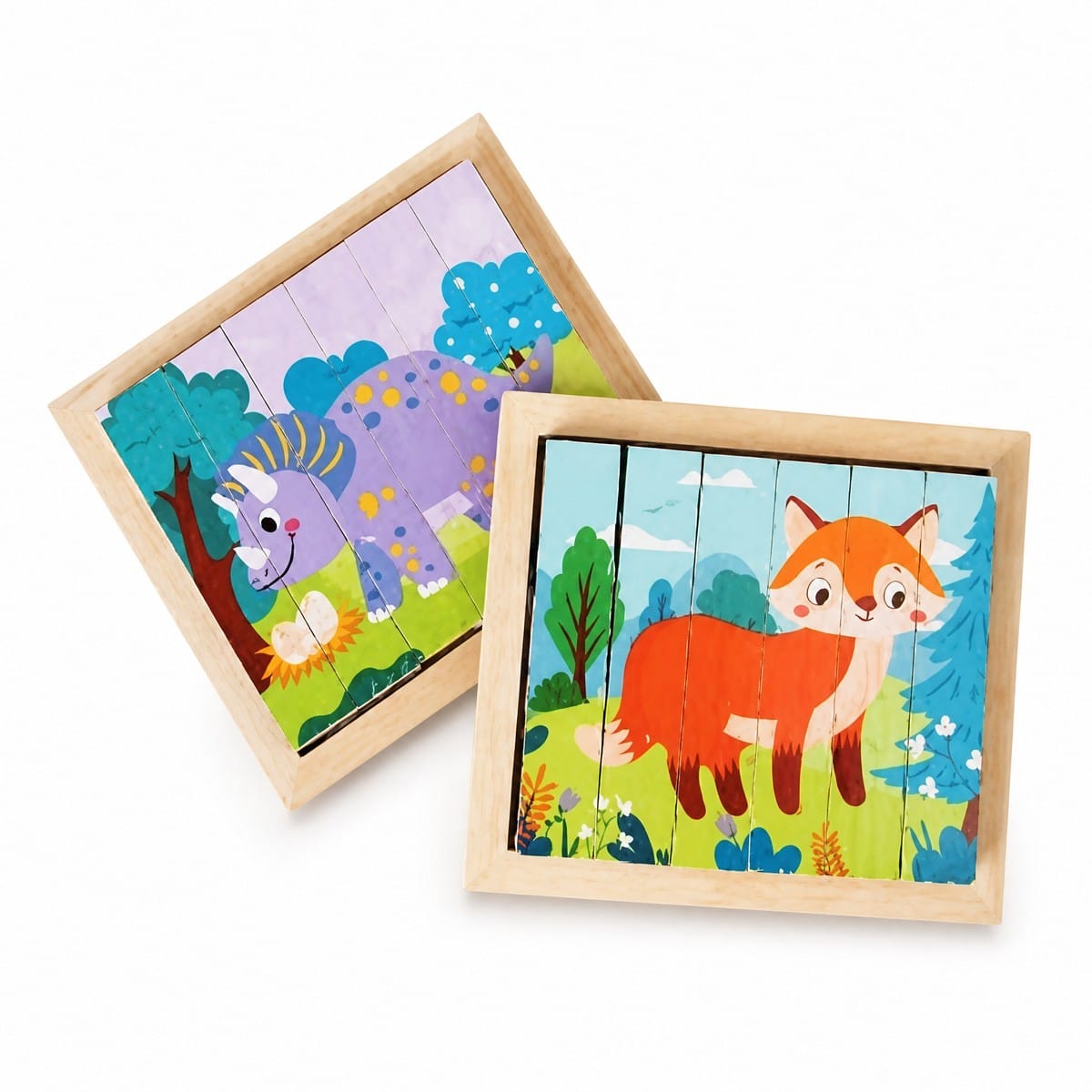
Block puzzle
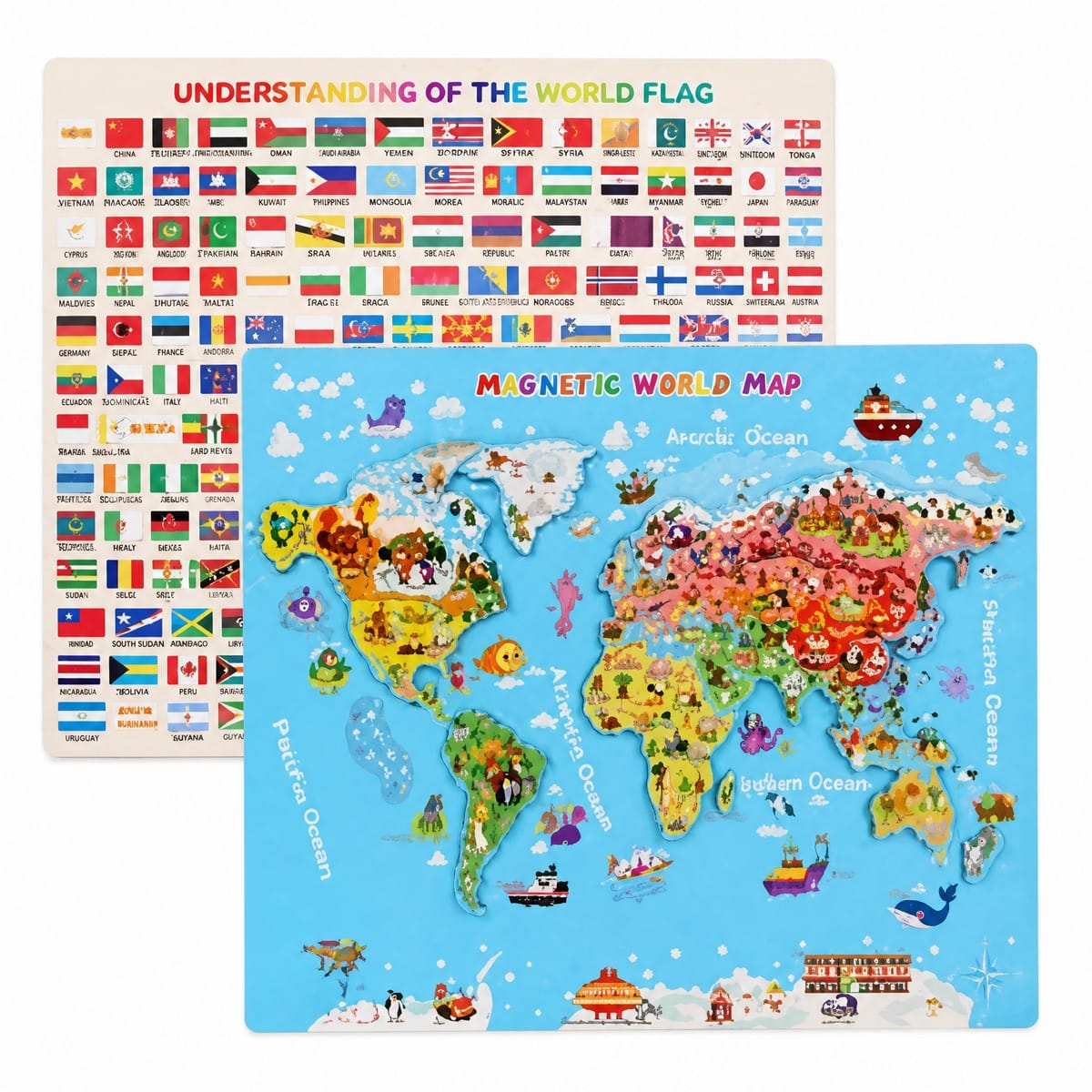
World map puzzle
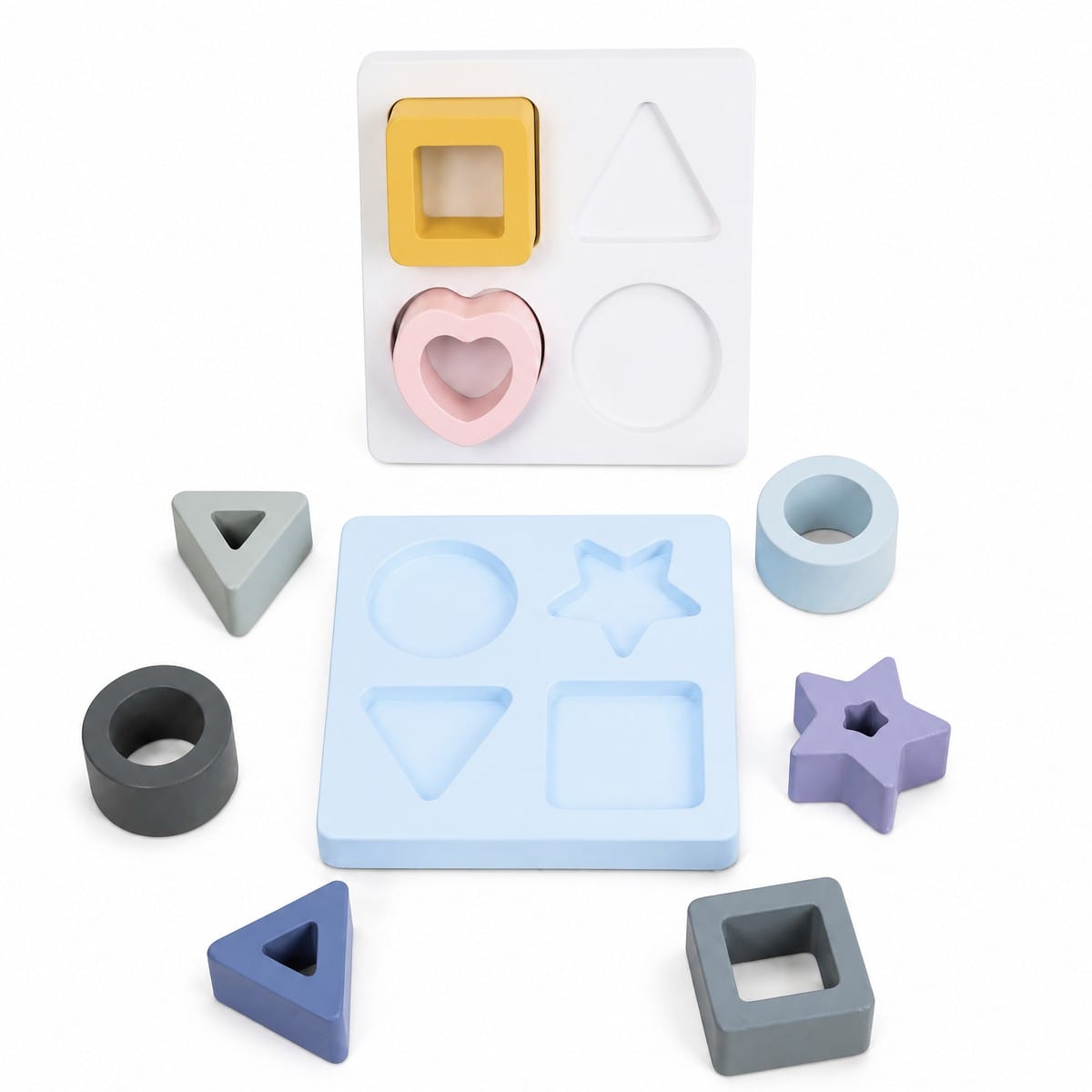
Pastel shape puzzle
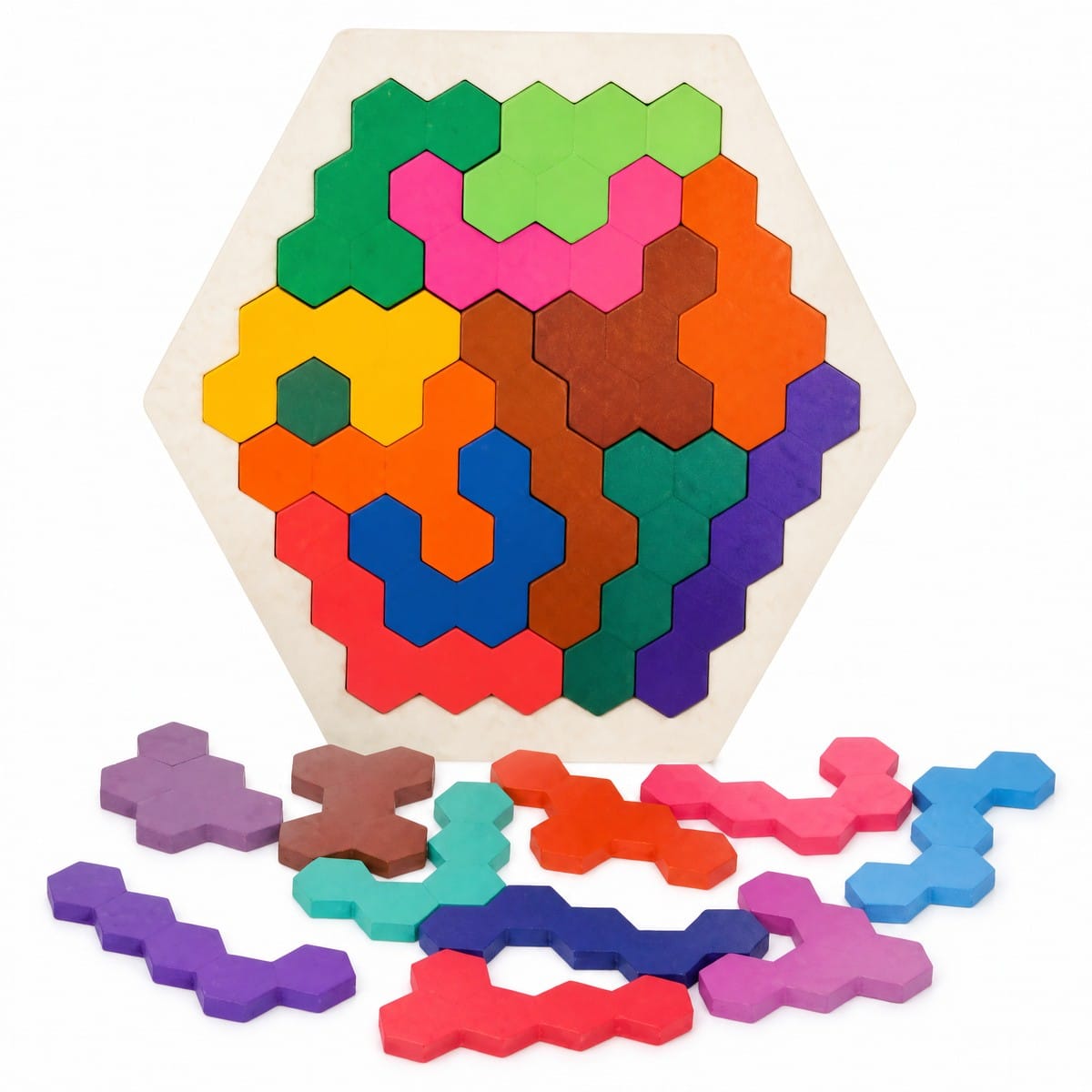
Hexagon puzzle “honeycomb”
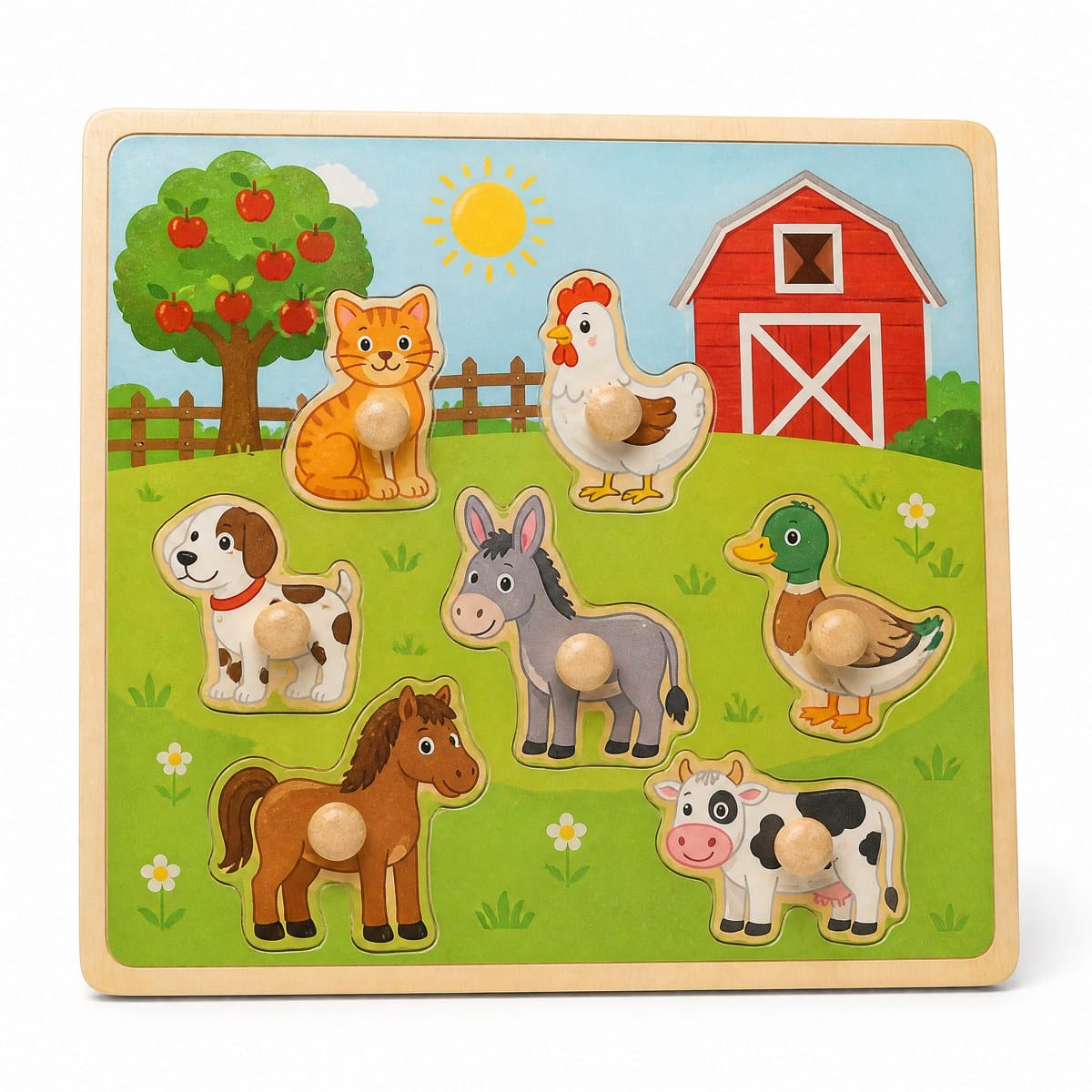
Floor puzzle “farm”
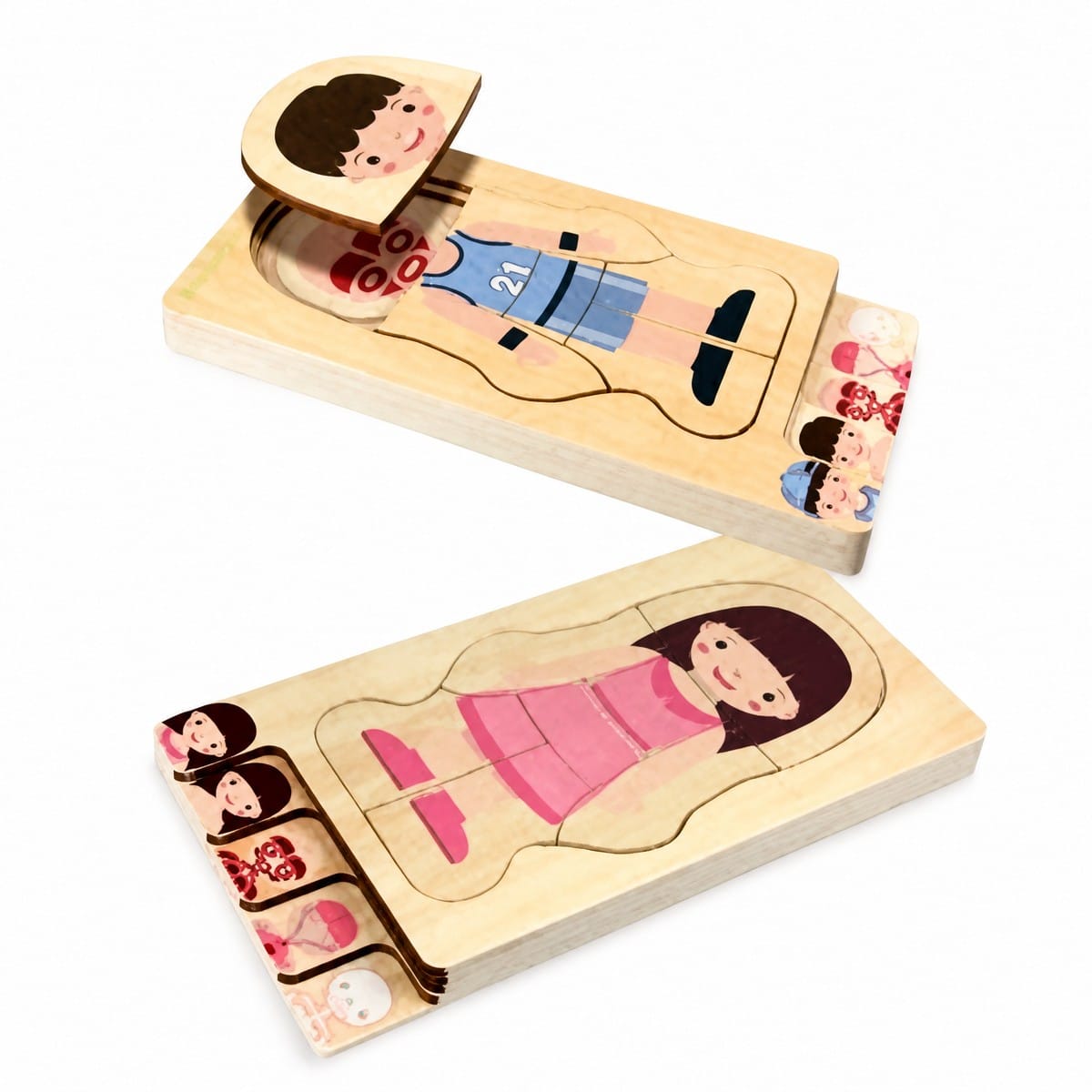
Puzzle “human silhouette”
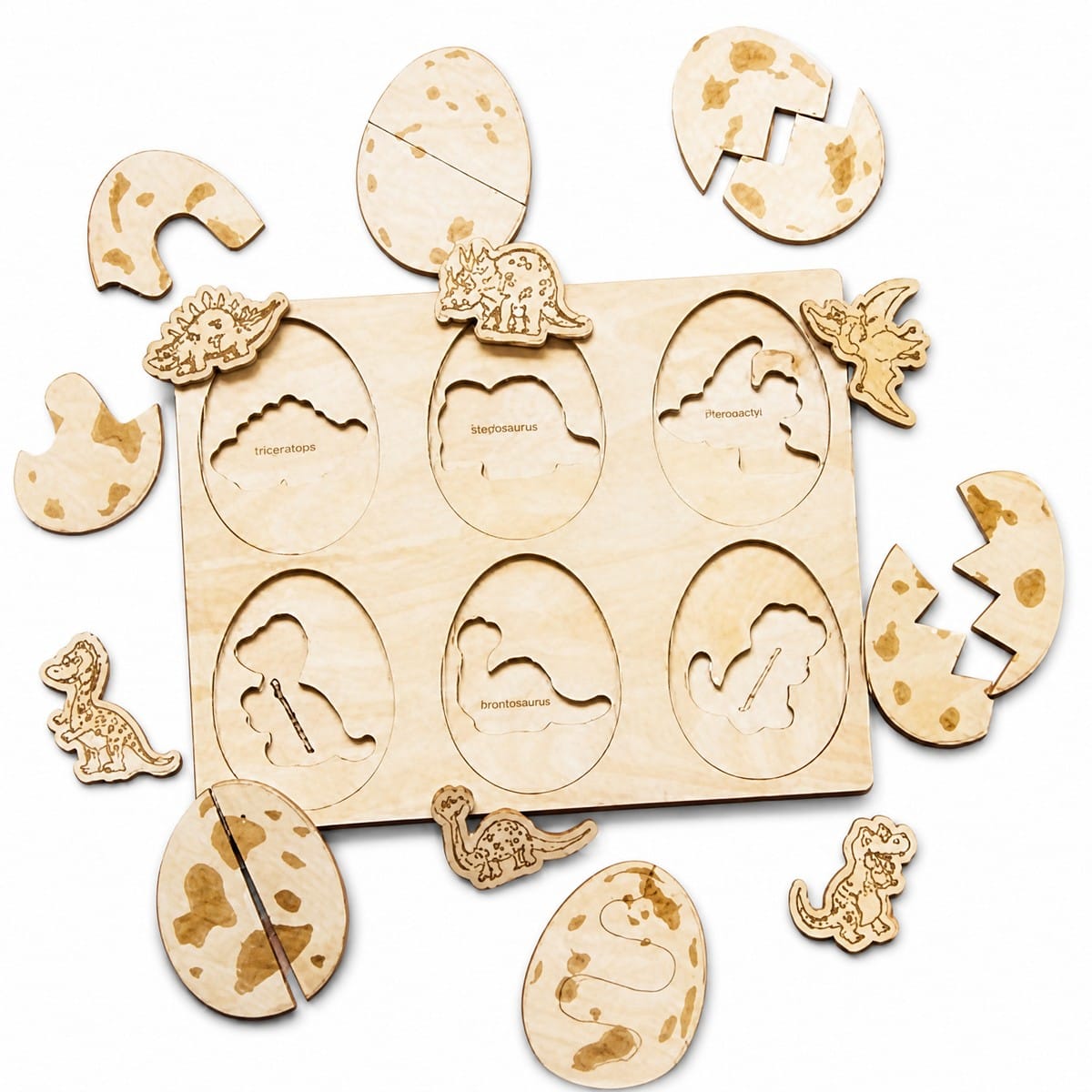
Puzzle “dinosaur egg”
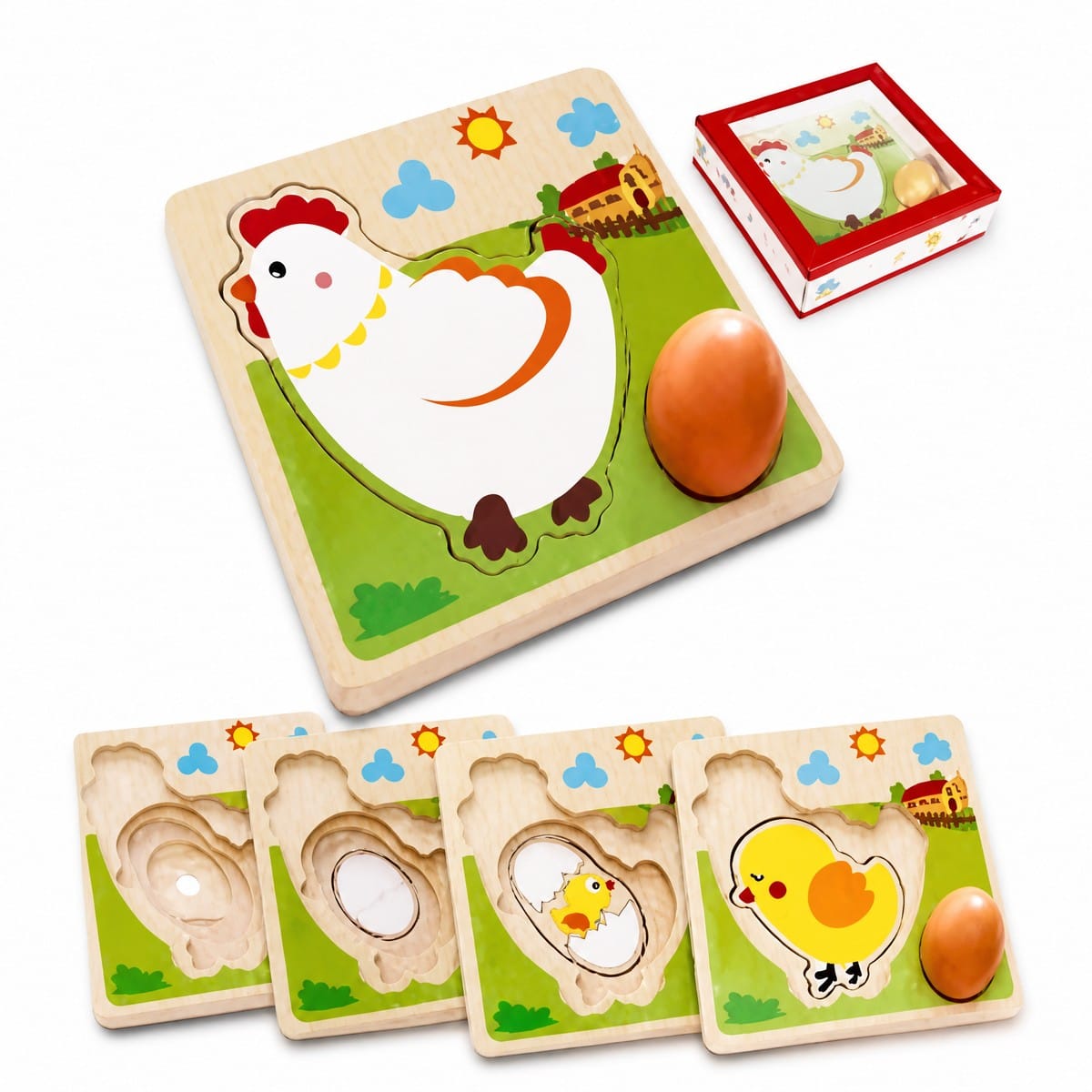
Life-cycle puzzle “from chick to hen”
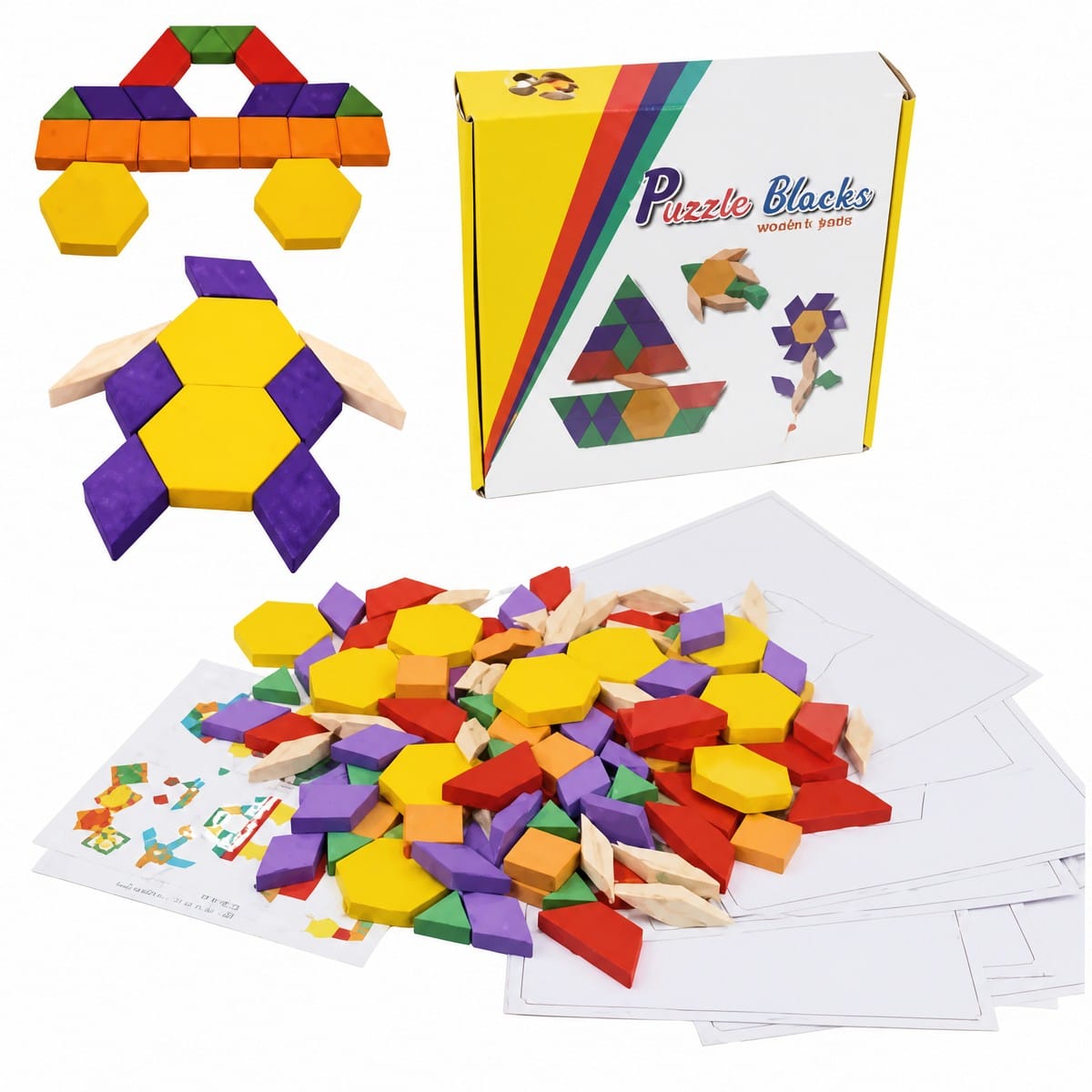
Mosaic tangram (geometric shapes and templates)
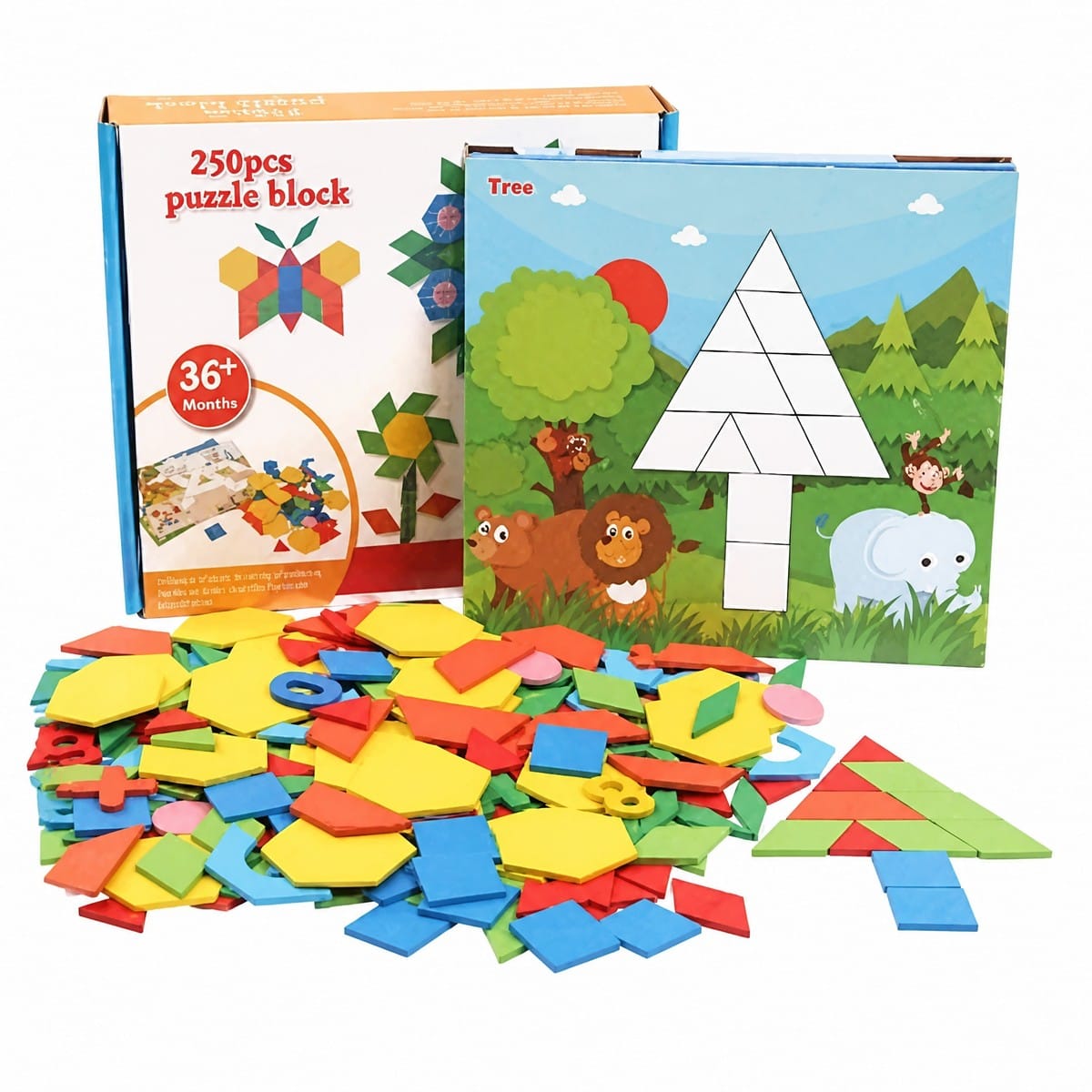
Mosaic tangram, 250 pieces
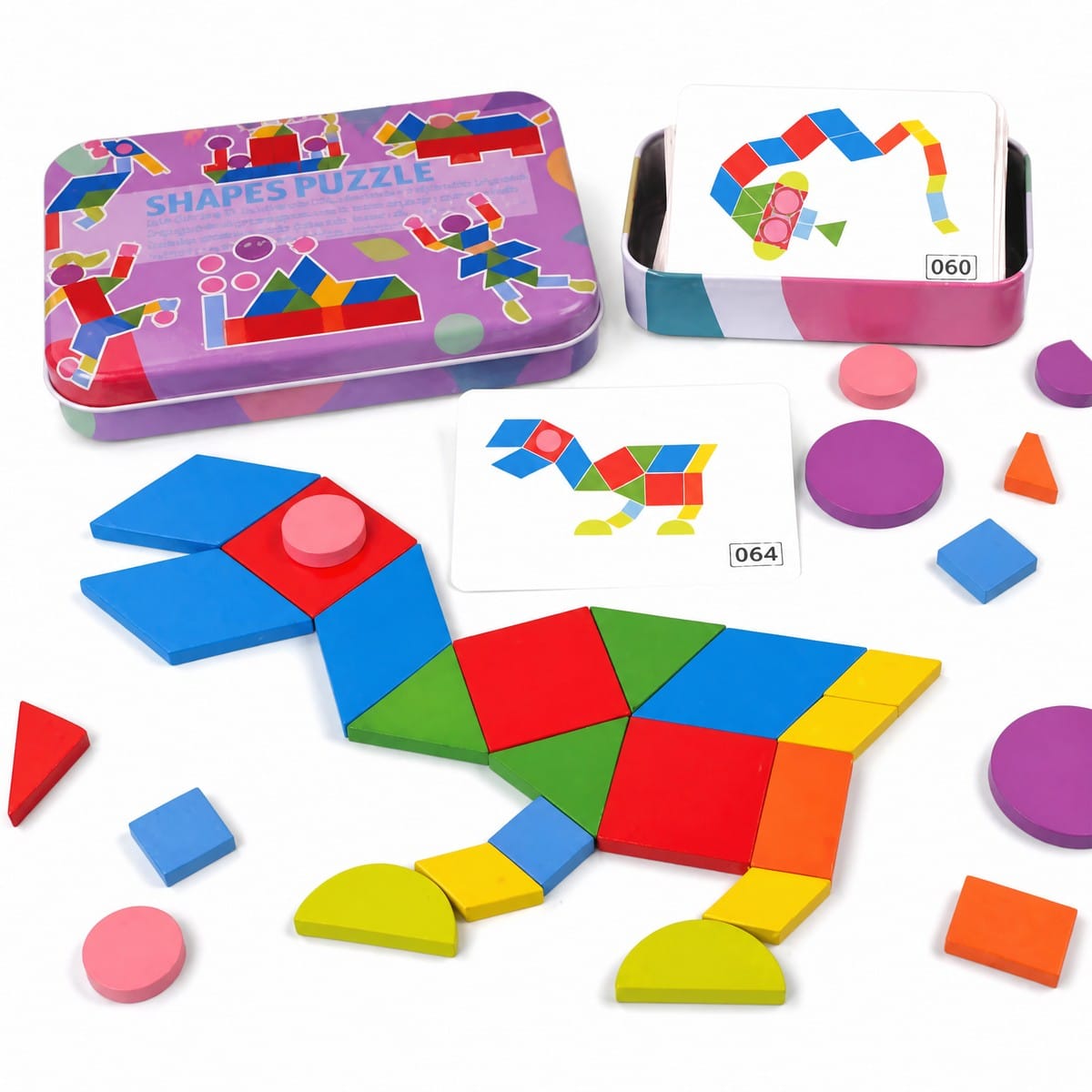
Tangram in a tin with pattern cards
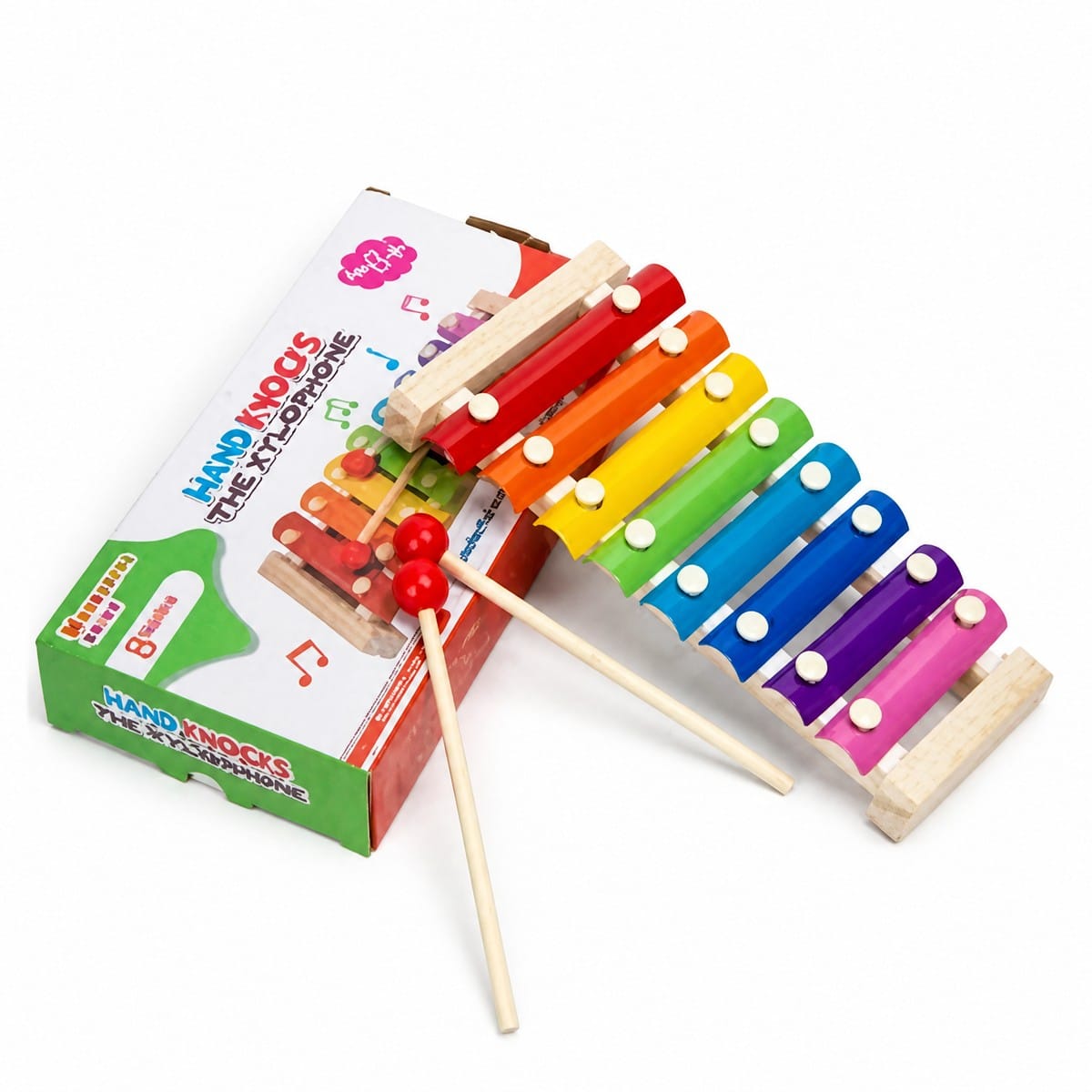
Xylophone
Frequently asked questions
At what age can children start puzzles?
First insets with large knobs and three or four simple shapes are generally offered at around one year. Layered puzzles and frame puzzles with a few pieces follow at about two to three years. The manufacturer’s age indication for each item prevails.
What is the difference between an inset board and a puzzle?
On an inset board, each piece has its own recess: the child matches a shape to a hollow. In a puzzle, the pieces join one another to form a picture, which requires looking closely at outlines and the image.
What is a tangram?
A set of geometric shapes to arrange so as to reproduce a figure. It develops shape perception and spatial awareness.